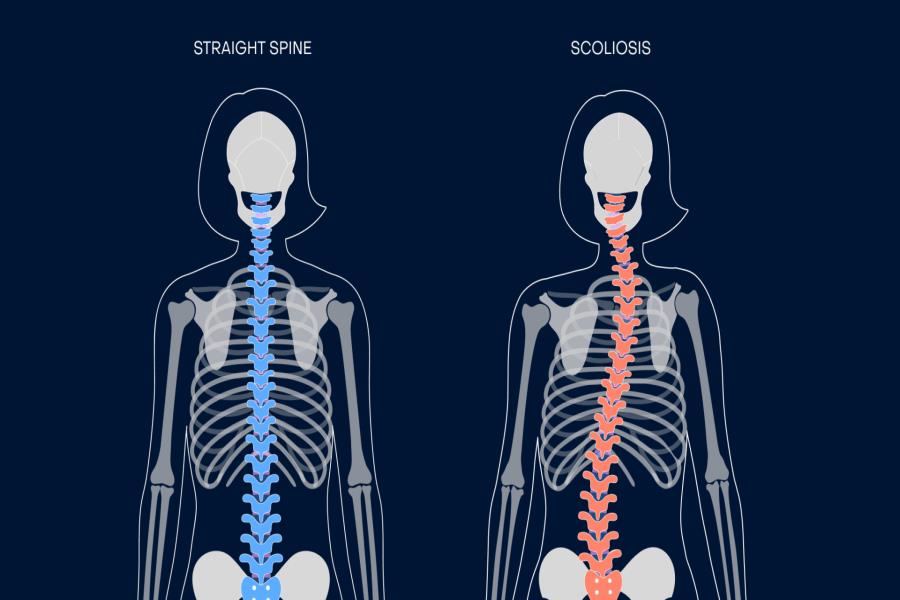
Many people ask: Does scoliosis get worse with age? Most patients’ condition progresses over time; some experience continuous deterioration of their spinal curvature, while others can remain stable for many years. There are four important things that will influence the outcome of this disease. Older patients have a tendency to develop back pain, stiffness and postural changes during their older years and early assessment is essential to maintaining mobility and minimizing pain.
What Does “Does Scoliosis Get Worse With Age” Mean?
population groups. Most scoliosis cases in children and adolescents progress during the growth spurt period. For adults, even after their skeletons have fully matured, aging and spinal degeneration can still cause their scoliosis curvature to worsen. This helps to correct the common public misconception that, “after the skeleton has developed to full maturity, in adulthood, the curvature of scoliosis will not progress further.
What Is Scoliosis?
This is a common condition and is the development of a lateral (side) curvature of an otherwise straight spine, most commonly in an S-shape or a C-shape.
Common Types of Scoliosis
| Type | Description |
| Idiopathic scoliosis | Most common form with no exact cause |
| Congenital scoliosis | Present at birth |
| Neuromuscular scoliosis | Linked to muscle or nerve conditions |
| Degenerative scoliosis | Develops from aging and spinal wear |
Does Scoliosis Get Worse With Age?
As people age, intervertebral disc wear and tear and declining muscle strength can trigger and affect the course of scoliosis. Degenerative disorders, arthritis, and muscle weakness stemming from spinal aging further exacerbate this condition. There are marked differences in the rate of progression of the mild, moderate and severe types of scoliosis. The symptoms and progression of this disease can be controlled or reduced with regular, moderate exercise over time.
Read Also: 170+ Candle Puns to Light Up Every Smile
Does Scoliosis Get Worse With Age?
| Question | Short Answer |
| Can scoliosis worsen over time? | Yes |
| Does mild scoliosis always get worse? | No |
| Can aging increase back pain with scoliosis? | Yes |
| Is adult scoliosis common? | Yes |
| Can exercise help slow progression? | Often yes |
| Does every patient need surgery? | No |
Does Scoliosis Get Worse With Age In Adults?
Yes. Adult scoliosis can deteriorate as time goes on. This is particularly frequent in those who have a moderate or severe curve to their spine.
With aging, the flexibility and water content of spinal discs decreases. It is also the case that joints deteriorate. These changes can cause an uneven strain on the back and cause spine curvature.
Common Reasons Adult Scoliosis Progresses
- Degenerative disc disease
- Arthritis in spinal joints
- Weak core muscles
- Poor posture
- Bone density loss
- Lack of physical activity
- Previous untreated scoliosis
It may be more noticeable in people over 50 years old because they lose stability in their spine.
Signs That Scoliosis May Be Getting Worse
Some symptoms appear slowly. Others become obvious after years.
Watch for These Signs
| Symptom | What It May Mean |
| Uneven shoulders | Curve progression |
| One hip higher than the other | Spinal imbalance |
| Increased back pain | Joint stress or degeneration |
| Rib hump | Rotational curve worsening |
| Shortness of breath | Severe spinal compression |
| Numbness or weakness | Nerve involvement |
Medical evaluation is necessary if symptoms suddenly get worse.
Does Mild Scoliosis Get Worse With Age?
Mild scoliosis does not always worsen. Many people with small curves live normal lives without major progression.
However, the symptoms can get worse if the curve doesn’t change much but the degeneration is only due to age.
Why Aging Impacts The Spine
The spine naturally changes with age. The disc wear and stiffness is present even in people who do not have scoliosis.
The normal aging process can cause further imbalance for those who already have scoliosis.
Age-Related Spinal Changes
- Disc shrinkage
- Joint inflammation
- Reduced flexibility
- Muscle weakness
- Bone density decline
These issues may increase pain levels and posture changes.
Can Scoliosis Affect Walking And Balance?
Yes.Advanced scoliosis can cause a loss of balance and a change in walking style.
As the curve shifts body alignment, one side of the body may carry more weight. This creates muscle fatigue and instability.
Possible Mobility Effects
- Slower walking speed
- Fatigue after standing
- Uneven gait
- Reduced flexibility
- Difficulty standing upright
Physical therapy can frequently enhance mobility and posture control.
Does Scoliosis Get Worse After Menopause?
For some menopausal women, the risk of having scoliosis increase. Insufficient estrogen causes
It’s associated with lowered bone mineral density and is a risk factor for osteoporosis, resulting in weak bones in the spine, which significantly increases this risk.
Read Also: Neetu Bisht Age, Biography, Family, Career, Net Worth
Can Exercise Help Prevent Scoliosis From Getting Worse?
Exercise cannot cure adult spinal scoliosis, but it can slow disease progression and improve patients’ quality of life.
It is recommended that postmenopausal women with scoliosis receive bone density testing as early as possible. Can exercise stop the condition from worsening?
Helpful Activities
- Core strengthening
- Swimming
- Walking
- Stretching
- Pilates
- Physical therapy exercises
Strong muscles support the spine and improve posture.
Can Severe Scoliosis Affect Organs?
In extreme cases, yes. Large curves may compress the lungs or reduce chest space.
This is more common in untreated severe scoliosis.
Possible Complications
- Reduced lung capacity
- Breathing difficulty
- Fatigue
- Digestive discomfort
Most mild and moderate cases do not cause serious organ problems.
How Doctors Monitor Adult Scoliosis
Doctors usually monitor scoliosis through physical exams and imaging.
Common Tests
| Test | Purpose |
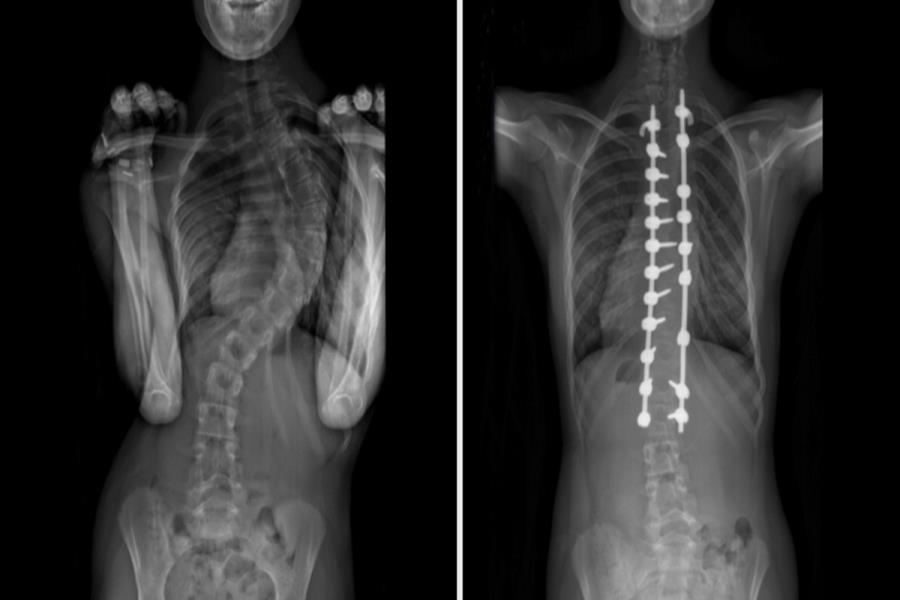
| X-rays | Measure curve angle |
| MRI | Check nerves and discs |
| Bone density scan | Evaluate osteoporosis |
| Posture assessment | Monitor balance changes |
Regular follow-ups help track progression.
Treatment Options for Adult Scoliosis
Treatment depends on symptoms and curve severity.
Non-Surgical Treatments
| Treatment | Purpose |
| Physical therapy | Improve strength and movement |
| Pain medication | Reduce discomfort |
| Bracing | Limited support in some adults |
| Exercise programs | Maintain flexibility |
| Lifestyle changes | Reduce strain |
Surgical Treatment
Surgery may be considered if:
- Curves continue progressing
- Pain becomes severe
- Nerve symptoms develop
- Mobility becomes limited
Not every patient needs surgery.
Does Scoliosis Always Lead To Disability?
Many people hold misconceptions about the mobility of patients with scoliosis.
In fact, most patients with mild cases, or those who have received standardized intervention, experience no restrictions to their movement. Only a very small number of patients with severe, untreated cases develop obvious mobility impairments.
Mental And Emotional Impact Of Scoliosis
Scoliosis causes postural changes and chronic pain, damages patients’ self-confidence, and increases their stress levels; support groups and professional treatment
can help some patients cope with these issues.
Emotional Challenges
- Body image concerns
- Anxiety about progression
- Chronic pain frustration
- Activity limitations
Mental health support matters just as much as physical treatment.
Tips To Protect Your Spine As You Age
Daily Habits That Help
- Stay physically active
- Maintain healthy weight
- Strengthen core muscles
- Avoid smoking
- Improve posture
- Get regular checkups
Small lifestyle changes may reduce stress on the spine.
Final Thoughts
Does scoliosis get worse with age? Yes, in most cases, the spine becomes strained as we age and symptoms may worsen over time; however,
Not every patient will have a progression of their condition. Adults can control their symptoms by getting plenty of exercise, using proper posture, physical therapy and by monitoring their condition on a regular basis. Early intervention allows people to stay active
and help minimize discomfort and knowing this pattern is essential for helping keep the spine healthy and enjoying life.
Read Also: Nurshath Dulal: Bollywood Actress, Social Media Influencer
FAQs:
Q: Does scoliosis get worse with age?
Yes. Scoliosis can worsen over time due to aging, disc degeneration, arthritis, and muscle weakness.
Q: Can mild scoliosis become severe later in life?
Mild scoliosis may progress slowly with age, especially without treatment or regular monitoring.
Q: What age does scoliosis usually worsen?
Scoliosis often worsens during teenage growth spurts and again in adulthood after age 40.
Q: Can exercise help scoliosis in adults?
Yes. Exercise and physical therapy can improve posture, flexibility, and pain management.
Q: Is scoliosis painful as you get older?
Many adults experience increased back pain, stiffness, and fatigue as scoliosis progresses.
Q: Can scoliosis affect walking or breathing?
Severe scoliosis may impact balance, mobility, and breathing in some older adults.

James is the creative mind behind worthelevate.com, with 4 years of experience writing hilarious puns, including food puns and animal puns. His witty articles add humor to everyday topics, making him a go-to for those seeking a fun twist on their favorite meals and animals.