EMS manufacturing in Indonesia has emerged as a dominant player within the global electronics manufacturing landscape. Known for its burgeoning industrial capabilities, Indonesia’s role in the EMS sector is amplified by its strategic geographic location, skilled workforce, and supportive governmental policies. EMS manufacturing in Indonesia continues to attract attention as businesses explore regional production options to support their electronics manufacturing and supply chain needs. As the world becomes increasingly reliant on sophisticated electronics, the demand for robust manufacturing services continues to rise. The country’s ascent as a manufacturing hub is not an isolated phenomenon but rather a reflection of broader economic trends and initiatives that have positioned it as a vital player in the global supply chain.
Strategic Geographic Advantage
Indonesia’s geographic positioning provides a natural advantage in the global EMS market. Located along key international sea routes, the nation serves as a bridge between major markets in Asia, Australia, and beyond. This strategic location facilitates not only the efficient import and export of raw materials and finished goods but also enables quicker turnaround times for EMS contracts. This advantage is further complemented by the country’s extensive port facilities, which are continually being upgraded to handle increasing volumes of trade efficiently.
Workforce and Skill Development
One of the most compelling reasons for the growth of EMS manufacturing in Indonesia is its young and dynamic workforce. With a median age of just over 30 years, the country boasts a large pool of technologically adept individuals ready to meet the demands of advanced manufacturing. Educational institutions are increasingly focusing on STEM (Science, Technology, Engineering, and Mathematics) disciplines, equipping students with the necessary skills to thrive in electronic manufacturing roles. Professional training programmes and initiatives are also being driven by both the private sector and government to ensure the workforce remains competitive globally.
Government Support and Incentives
Indonesian authorities have actively pursued policies that encourage the growth of its manufacturing sector, recognising its strategic importance to the country’s long-term economic prospects. Incentive schemes, tax benefits, and streamlined regulatory processes have been established to attract foreign direct investment into the manufacturing industry. Such efforts have successfully lured key international players to set up operations in the country, further boosting its reputation as a manufacturing nucleus.
Adoption of Industry 4.0
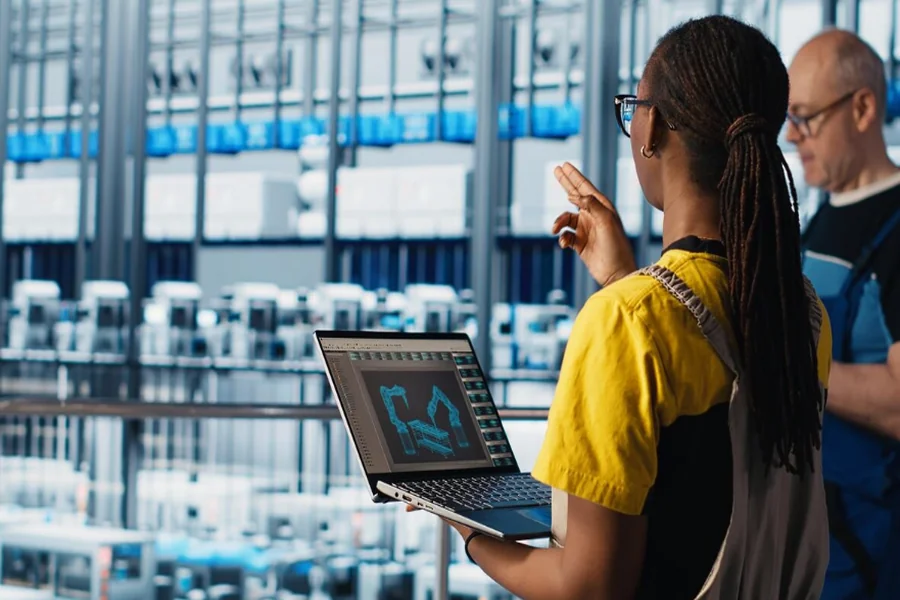
The Indonesian EMS sector is keenly adopting Industry 4.0 technologies, which focus on automation, smart manufacturing, and data exchange. This transformation is not merely about technological advancement but also involves redefining operational processes to improve efficiency and reduce waste. Smart factories and the integration of IoT (Internet of Things) within manufacturing systems are gradually becoming the norm, significantly enhancing productivity while maintaining high-quality production standards.
Competitive Cost Structures
Cost is undeniably a critical factor in the global manufacturing equation. Indonesia offers a highly competitive cost structure compared to many other regions, particularly in terms of labour and operational expenditures. The government’s robust economic policies, combined with an advantageous cost base, make it an attractive destination for companies seeking high-quality manufacturing capabilities without the burden of exorbitant costs.
Major Industry Players and Partnerships
The presence of significant EMS providers in Indonesia, often in collaboration with multinational corporations, plays a pivotal role in the industry’s growth. Strategic partnerships and joint ventures are common, where local expertise is paired with international technology and capital to enhance output quality and innovation. These collaborations have helped establish a benchmark for manufacturing excellence within the nation.
Challenges and Considerations
While the EMS landscape in Indonesia is promising, it is not without challenges. Infrastructure development remains a critical area needing continuous improvement to support the growing manufacturing demands. Furthermore, staying competitive on a global scale requires ongoing commitment to technological innovation and adaptation to shifting industry paradigms. Environmental sustainability is another area gaining attention, prompting companies to adopt greener practices amidst a global push for eco-friendly manufacturing solutions.
Future Prospects
Looking ahead, the outlook for EMS manufacturing in Indonesia is overwhelmingly positive. The strategic initiatives in place are expected to continue bearing fruit, positioning the country as a formidable force within the electronics manufacturing services industry. Aligning with global movements toward sustainable and smart manufacturing, Indonesia stands poised to capitalise on emerging technological trends, ensuring its role as a critical component in the global supply chain.
Related Sectors and Opportunities
In addition to EMS, the broader electronics industry in Indonesia encompasses several other thriving sectors that present additional opportunities for growth and diversification. The rise of consumer electronics, telecommunications equipment, and automotive electronics manufacturing underscores the expansive potential within this domain. The systemic integration of these sectors provides multiple avenues for sustained industrial development.
As Indonesian EMS expands its horizons, it serves as a robust example of how developing countries can leverage strategic advantages and policy frameworks to drive sectoral growth. With a considered focus on innovation, talent development, and sustainable practices, the country’s manufacturing services are set to become a linchpin in global industries reliant on electronic solutions. Visit this link for further information on the capabilities of electronics manufacturing services.

James is the creative mind behind worthelevate.com, with 4 years of experience writing hilarious puns, including food puns and animal puns. His witty articles add humor to everyday topics, making him a go-to for those seeking a fun twist on their favorite meals and animals.