Is Your Old Car Worth Anything? Factors That Affect Its Value
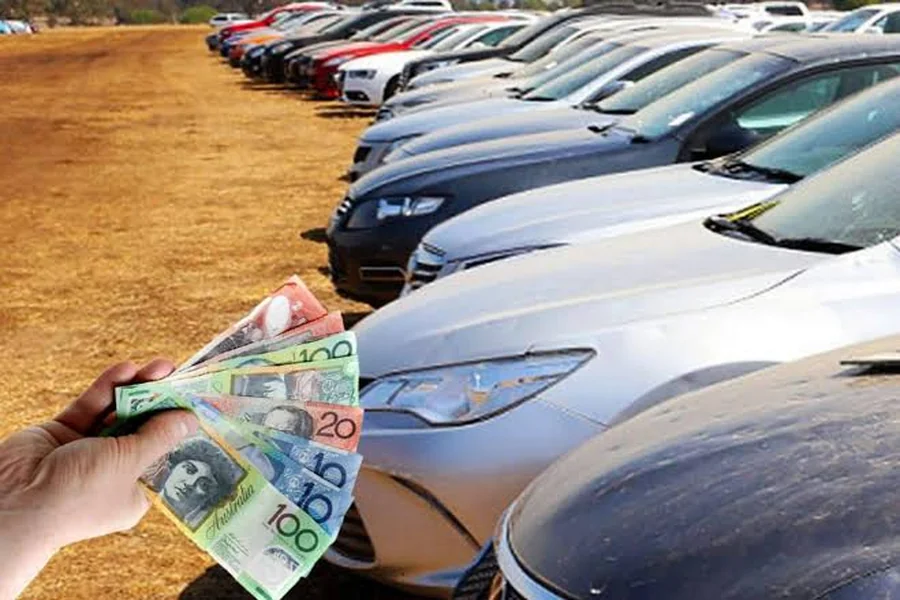
An old car sitting in your driveway might look like nothing more than a costly problem. The engine may not start, the bodywork might be damaged, or the registration may have expired.
But does that mean the vehicle has no value? Not necessarily. Even a car that can no longer be driven may contain reusable components and recyclable materials. Its actual worth depends on several factors, including its condition, make, model, and the demand for its remaining parts.
Understanding these factors can help you set realistic expectations before selling or disposing of your vehicle.
The Make and Model Can Make a Difference
Not every old car has the same value. Some vehicles have components that are easier to sell because they are popular, widely used, or relatively expensive to replace.
For example, a vehicle with a sought-after engine or gearbox may attract more interest than a model with limited demand for replacement parts. Certain discontinued models may also have valuable components because suitable replacements are difficult to find.
However, rarity doesn’t automatically guarantee a high price. Buyers still need to want the parts, and the components must be in suitable condition. When requesting a valuation, provide the exact make, model, year, and variant where possible. This information helps a provider identify the vehicle and assess its potential value more accurately.
The Vehicle’s Overall Condition Matters
Two cars of the same model and year can have very different values. One might have a damaged body but a working engine. Another might look reasonable from the outside but have serious mechanical problems. The condition of the vehicle affects what can be recovered and how much processing it may require.
Factors that can influence its value include:
- Engine and transmission condition.
- Damage to the body or chassis.
- The availability of reusable components.
- Missing parts or major modifications.
- The condition of the wheels, interior, and electrical systems.
A car with working components may offer more reuse opportunities than one with extensive damage. However, even a severely damaged vehicle may retain value through its recyclable materials.
Be upfront about known problems when requesting an offer. Accurate information helps avoid misunderstandings during collection.
Working Parts May Increase Its Potential Value
A vehicle doesn’t need to be in perfect condition for some of its components to remain useful. Depending on the model and condition, parts such as alternators, starter motors, mirrors, headlights, doors, wheels, and gearboxes may be suitable for reuse.
These components can help other owners repair similar vehicles. However, their value depends on more than whether they appear to work. Demand, compatibility, testing requirements, removal costs, and the availability of replacement parts can all influence their commercial value.
Some components may be expensive to remove or difficult to sell. Others may have little demand despite being functional. That is why a vehicle assessment considers the overall recovery potential rather than simply adding up the retail prices of every component.
Scrap Metal Also Contributes to the Value
Even when a car has few reusable parts, its metal content can still be valuable. Vehicles contain steel, aluminium, and other materials that may be recovered through suitable recycling processes. The quantity and type of recoverable metal can affect the vehicle’s potential scrap value.
However, the final amount isn’t based on weight alone. Processing costs, transportation, material quality, and current market conditions can influence what a buyer is prepared to pay. The vehicle’s condition also matters because dismantling and handling requirements may vary.
Metal prices can change over time, so an offer made today may differ from one available several months later. If you’re comparing quotes, ask whether the offer reflects the vehicle’s condition and whether collection costs are included.
Accident Damage Doesn’t Always Mean Zero Value
A serious accident can leave a vehicle looking beyond repair. Damaged panels, broken headlights, deployed airbags, and suspension problems may make it unsuitable for returning to the road.
However, some components may remain usable if they haven’t been affected by the collision. The value depends on where the damage occurred and how extensively it affected the vehicle. For example, damage to the rear of a car might leave certain front-end components intact. An engine may also remain recoverable after some types of body damage.
These possibilities aren’t guaranteed, and safety-critical components require appropriate assessment. If your car has suffered an accident, describe the damage clearly when requesting a quote.
A suitable provider can explain whether the vehicle has potential value for parts recovery, material recycling, or both.
Location and Towing Requirements Can Affect the Offer
Where your vehicle is located can influence the cost of collecting it. A car parked in an easily accessible driveway may be simpler to collect than one trapped in a tight garage or located in a difficult-to-access area.
A vehicle that cannot roll or steer may also require additional equipment. These factors can affect transportation arrangements and the overall economics of the collection. Some providers offer free towing for eligible vehicles, while others may charge depending on the circumstances.
Never assume collection is included without confirming the terms. Before accepting an offer, explain where the vehicle is located and whether it can be accessed easily. Ask whether the quoted amount is the amount you’ll receive or whether deductions could apply.
Registration and Missing Keys: Do They Affect Value?
An expired registration doesn’t automatically mean a vehicle has no value. Depending on its condition and the provider’s requirements, an unregistered vehicle may still be suitable for collection, parts recovery, or recycling. Missing keys can also affect the process, particularly if the steering is locked or the vehicle cannot be moved normally.
However, the impact varies between providers and individual vehicles. You should also check the applicable rules for proving ownership and arranging disposal. Requirements can differ between Australian states and territories. If you’re unsure, consult the relevant registration authority before proceeding.
Being transparent about registration status, missing keys, and available paperwork helps the provider determine whether it can collect the car.
How to Compare Scrap Car Offers
Getting more than one quote can help you understand what your vehicle may be worth. When comparing offers, look beyond the headline figure. Check whether towing is included, whether any fees apply, and whether the quoted amount can change after inspection. You should also ask about payment timing and the documents required to complete the transaction.
If you’re exploring cash for scrap cars, provide consistent information to each provider. Include the make, model, year, location, and a clear description of the damage. This makes it easier to compare offers fairly. A scrap car removal service may be a suitable option when your vehicle is damaged, no longer economical to repair, or simply unwanted.
However, the best choice depends on the actual offer, the collection arrangements, and your priorities.
Is Repairing the Car Worth It?
Before accepting a scrap offer, consider whether repairing the vehicle makes financial sense. Start by obtaining a realistic repair estimate. Then compare the cost with the vehicle’s current market value and expected reliability after the work is completed.
Don’t forget other likely expenses, including registration, insurance, servicing, and repairs to components that may soon fail. A relatively small repair might be worthwhile if the car remains reliable and meets your needs.
However, major mechanical problems combined with significant body damage may make continued ownership uneconomical.
There’s no universal rule for deciding when to stop repairing an old vehicle. Your budget, transport needs, and the car’s overall condition should guide the decision.
Get a Clear Picture Before Selling
Your old car may be worth more than you think, but it’s important to keep expectations realistic. Its value depends on the demand for its parts, its recoverable materials, its condition, and the cost of collecting and processing it.
Gather the vehicle details, explain any damage, and compare offers before making a decision. With the right information, you can decide whether to repair, sell, or dispose of the vehicle without spending unnecessary time or money.

James is the creative mind behind worthelevate.com, with 4 years of experience writing hilarious puns, including food puns and animal puns. His witty articles add humor to everyday topics, making him a go-to for those seeking a fun twist on their favorite meals and animals.



Comments