Buying a New Car? How to Plan the Sale of Your Current Vehicle
Buying a new car is exciting. You’ve compared models, checked prices, and finally found a vehicle that suits your needs. But there’s one detail that’s easy to overlook: what will you do with your current car?
Selling your existing vehicle at the right time can help you manage your budget and avoid paying for two cars longer than necessary.
However, rushing the sale can create problems. You might accept an offer that’s lower than expected, struggle to arrange transportation, or discover that your old car needs repairs before someone will buy it. A little planning can make the transition easier.
Decide When to Sell Your Current Car
Timing matters when you’re replacing a vehicle. Selling too early could leave you without transport while waiting for your new car to arrive. Selling too late may mean paying ongoing expenses for a vehicle you no longer need.
Start by confirming the expected delivery date of your replacement vehicle. If you’re purchasing a new car from a dealership, ask whether the delivery date is confirmed or only an estimate. Delays can happen, particularly when the vehicle needs to be transported or prepared.
If your existing car is reliable, you may prefer to keep it until the replacement is ready. However, if you’re concerned about future repairs or the vehicle has little remaining value, selling earlier might make sense. Consider your transport needs, the likely sale time, and any costs associated with keeping the old vehicle. Having a timeline helps you avoid making decisions at the last minute.
Find Out What Your Existing Car Is Worth
Before accepting an offer, research your current vehicle’s potential value. Look at similar cars with comparable model years, kilometres, specifications, and conditions. Remember that advertised prices don’t necessarily reflect completed sale prices.
A vehicle listed for a particular amount may eventually sell for less after negotiations. You should also consider the difference between private-sale value and the amount a dealer or specialist buyer might offer.
A private sale may produce a higher price in some circumstances, but it usually requires more time and effort. A direct buyer may offer a simpler transaction, although the amount depends on the vehicle and the provider’s assessment. Get a realistic idea of your car’s value before deciding how to sell it.
Consider Whether Repairs Are Worth Paying For
Many owners try to improve their vehicle’s condition before selling it. Sometimes, small jobs such as replacing a faulty bulb or cleaning the interior can make the car easier to present.
However, major repairs aren’t always worthwhile. Imagine your vehicle needs expensive engine work shortly before you’re planning to replace it. Spending thousands of dollars on repairs may not increase its resale value by the same amount.
Before approving any work, compare the repair estimate with the likely difference in selling price. Also consider whether the vehicle can be sold safely and legally in its current condition. If the car has serious mechanical problems, be honest about them when requesting offers. You may find that selling it as-is is more practical than investing additional money into a vehicle you’re about to replace.
Choose the Right Way to Sell
There are several ways to sell your existing car, and each has different advantages.
Sell privately
Private selling gives you direct access to potential buyers. You can advertise the car, answer enquiries, arrange inspections, and negotiate the price. This approach may work well if your vehicle is in good condition and you’re comfortable managing the process. However, you need to allow time for the sale and complete the necessary paperwork.
Trade it in
A dealership may offer to purchase your current vehicle as part of the replacement transaction. This can simplify the process because you deal with the old and new vehicles together. However, compare the complete deal rather than focusing only on the trade-in amount. Check the replacement vehicle’s price, fees, and any other conditions before agreeing.
Sell directly to a vehicle buyer
A direct buyer may be an option if you want to avoid managing a private sale. Depending on the provider, it may accept older, damaged, or unwanted vehicles.
If you’re considering cash for cars Sydney, compare offers and check the terms before agreeing to a transaction.
Ask whether collection is available, whether towing is included, and how payment will be made. Choose the option that best fits your timeline, vehicle condition, and financial priorities.
Don’t Forget the Costs of Owning Two Cars
Keeping your existing car until the replacement arrives can be convenient, but it may involve additional expenses. Depending on your circumstances, you could be paying registration, insurance, parking, and maintenance costs for both vehicles. Fuel expenses may also increase if you need to move between cars or travel to different locations.
These costs might be manageable over a short period. However, delays can make the situation more expensive than expected. Work out how much it costs to keep the old vehicle for another month.
Then compare that amount with the benefits of retaining it until the replacement arrives. If the old car is unreliable or expensive to maintain, selling it earlier may be worth considering. If you depend on it for daily transport, keeping it temporarily could be the safer choice.
Prepare Your Vehicle for Handover
Once you’ve found a buyer, prepare the car for the transaction. Start by removing personal belongings from the cabin, glove box, centre console, and boot. Check for toll tags, parking permits, and any documents containing personal information. Gather the available ownership paperwork and confirm what the buyer requires.
You should also disclose known mechanical problems, accident damage, or other issues that could affect the vehicle’s condition. If you’ve agreed to sell the car privately, make sure the payment and transfer arrangements are clear. If you’re using a dealership or direct buyer, confirm the collection or handover details before the agreed date. A final inspection can help ensure you haven’t left anything important behind.
What If Your Old Car Is No Longer Roadworthy?
Not every replacement decision involves a perfectly functioning vehicle. Perhaps your existing car has developed major mechanical problems, failed an applicable inspection, or become too expensive to maintain.
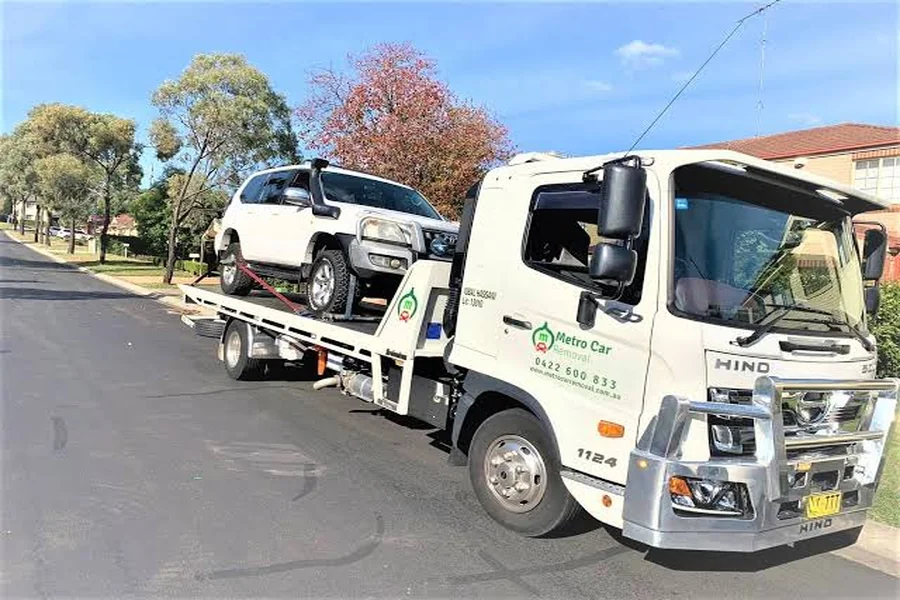
In that situation, selling it privately may be more difficult. Potential buyers might be reluctant to take on the repair costs, particularly if the extent of the damage is unclear. You could obtain a repair estimate and compare the cost with the vehicle’s remaining value. If the repairs don’t make financial sense, a suitable removal provider may offer another option.
A professional car removal service can explain whether it accepts your vehicle and whether collection is available. Tell the provider about the car’s condition, location, and any issues that could affect transportation. Before accepting an offer, confirm the price, payment terms, collection arrangements, and any applicable fees.
Check the Registration and Transfer Requirements
Selling your vehicle involves more than handing over the keys. Depending on your state or territory and the vehicle’s circumstances, you may need to complete particular transfer or disposal steps.
Check the applicable requirements for registration, number plates, ownership records, and any required notifications. If the vehicle is unregistered, different rules may apply.
You should also resolve any outstanding finance or ownership issues before completing the transaction. Keep copies of relevant documents and confirmation of the sale or disposal. If you’re unsure about the process, consult the relevant registration authority. Taking care of the paperwork helps make the transition to your replacement vehicle more straightforward.
Plan Your Budget Around the Replacement
Selling your old car may help fund your next purchase, but don’t assume the amount you’ll receive before obtaining realistic offers. Create a budget that includes the replacement vehicle’s purchase price and other likely expenses. These might include insurance, registration, servicing, accessories, and financing costs.
If you’re relying on the proceeds from your old car, consider what happens if the final offer is lower than expected. You should also account for the timing of the sale and when the money will become available. Planning around a realistic figure can help you avoid financial pressure when the replacement vehicle arrives.
Make the Switch Without Unnecessary Stress
Replacing a car involves several decisions, but selling your existing vehicle doesn’t need to become another major headache. Start by estimating its value, choosing a suitable selling method, and deciding when to complete the transaction.
Consider your transport needs and the cost of keeping the old vehicle while waiting for the replacement. If the car needs expensive repairs, compare the likely costs before spending more money.
Finally, confirm the paperwork, payment arrangements, and handover details. With a clear plan, you can move into your next vehicle while making a sensible decision about the one you’re leaving behind.

James is the creative mind behind worthelevate.com, with 4 years of experience writing hilarious puns, including food puns and animal puns. His witty articles add humor to everyday topics, making him a go-to for those seeking a fun twist on their favorite meals and animals.



Comments