Is the Digital Euro Europe’s Payment Fix?
When someone in Europe taps a card at a supermarket or pays online, the transaction usually runs over a network owned by an American company. Policymakers have worried about that for years, and the concern has grown as payments became a question of strategic independence as well as convenience.
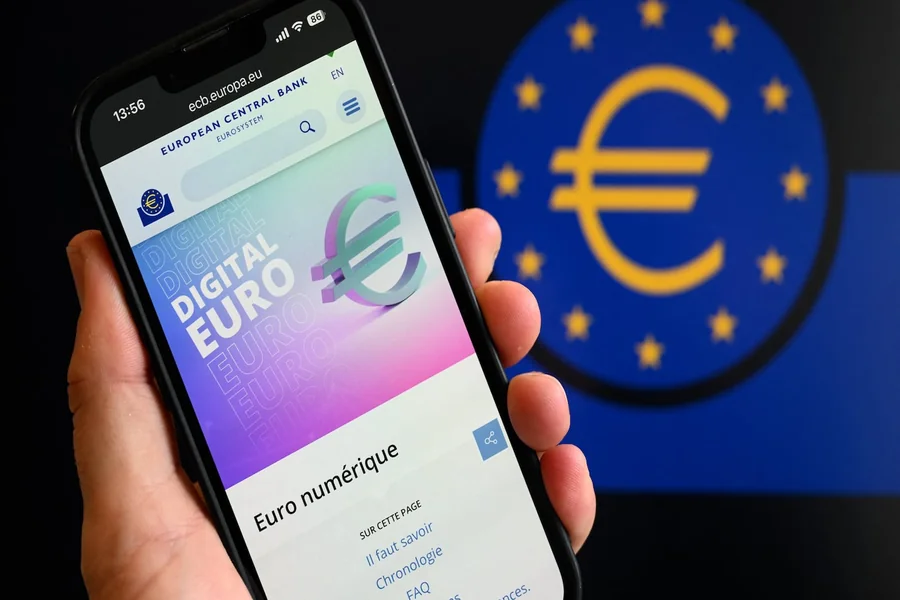
The European Central Bank’s answer is a digital euro, a form of central bank money for everyday use. The project has now moved into negotiations between EU institutions, so the question is whether it can shift habits that card networks spent decades building.
Where Europe Depends on Foreign Networks
According to the ECB, international schemes process around two-thirds of card transactions in the euro area, and in 13 euro-area countries everyday in-store card payments depend entirely on them. Mobile wallets from Apple and Google add another layer of non-European infrastructure on top.
The dependence reaches everyday online spending too, and online gambling shows it clearly. A player who tops up a balance after a yep casino login can pick from cards such as Visa and Mastercard, e-wallets such as PayPal or Skrill, bank transfers or crypto, yet the card and e-wallet options all depend on companies based outside the EU. The same reliance runs through other parts of the payment chain too:
- In-store card payments in countries without a national scheme.
- Online checkout at most e-commerce sites.
- Mobile wallets that wrap a card in a phone.
- Card payments between euro-area countries.
Each of these routes sends fees and transaction data through companies headquartered outside the EU. Officials also point to the risk that political tensions could one day disrupt services that Europeans take for granted.
How the Digital Euro Is Meant to Work
The digital euro would be issued by the Eurosystem and distributed through banks and payment providers, much like cash today. Basic use would be free for consumers, and it would work both online and offline, with offline payments offering a level of privacy close to cash. Merchants that accept digital payments would generally have to accept it, with exemptions for some smaller businesses. A cap on individual holdings, with around 3,000 EUR discussed, is meant to stop people from moving large savings out of bank deposits.
The legislation is still being negotiated. The European Parliament adopted its negotiating mandate in a plenary vote on 9 July, and talks with the Council began days later, with offline limits and usage fees among the open points. The ECB plans a pilot next year and aims to be ready for a first issuance in 2029 if lawmakers agree.
Public Money Versus Private Alternatives
The digital euro is not the only European project aimed at the same gap. Banks have built their own options, and they compete for the same merchants and users.
| Option | Who Runs It | Main Limitation |
| Digital euro | Eurosystem, via banks | Not before the end of the decade |
| Wero | Consortium of European banks | Still building merchant coverage |
| National card schemes | Domestic banks | Rarely work across borders |
Supporters argue that only public money can guarantee a pan-European option that every merchant must accept. Critics, including the Parliament’s rapporteur during committee work, argued that the online version should only go ahead if no private pan-European option such as Wero emerges first.
Cost is another sticking point. The ECB estimates that banks face 4 to 6 billion EUR in setup costs over four years, and how they will be compensated for distributing the digital euro remains unresolved.
What Adoption Would Require
A new payment method succeeds only if people choose it at the till, and shoppers already trust the way cards work. To compete, the digital euro would need to match cards on several points:
- A checkout as quick as tapping a card.
- Buyer protection comparable to card chargebacks.
- Access from the banking apps people already use.
- Acceptance in other euro-area countries, not just at home.
Mandatory acceptance helps on the merchant side, yet it does nothing to make consumers switch. Banks will play a decisive role, because the digital euro would sit inside their apps, and their enthusiasm may depend on the compensation model still under negotiation.
Why Merchants May Lead the Way
Merchants have a clearer incentive. Lower acceptance costs could make them promote the digital euro at checkout, much as some already nudge customers towards cheaper account-to-account payments. In the Netherlands, iDEAL handles around seven in ten online payments, which shows how far a simple bank-based option can go when it sits at the top of the checkout page.
A Long Road to Independence
The digital euro could reduce Europe’s reliance on foreign networks, but only gradually and only if it becomes a habit. The most realistic outcome is a mix in which public money and private services such as Wero cover more payments together, while international cards remain part of daily life.
The current negotiations will set the rules that decide how attractive it can be. Decisions on holding limits and fees in the coming months will matter more for its future than any launch date.

James is the creative mind behind worthelevate.com, with 4 years of experience writing hilarious puns, including food puns and animal puns. His witty articles add humor to everyday topics, making him a go-to for those seeking a fun twist on their favorite meals and animals.



Comments