Enhancing Outdoor Spaces with Durable Paving Paint
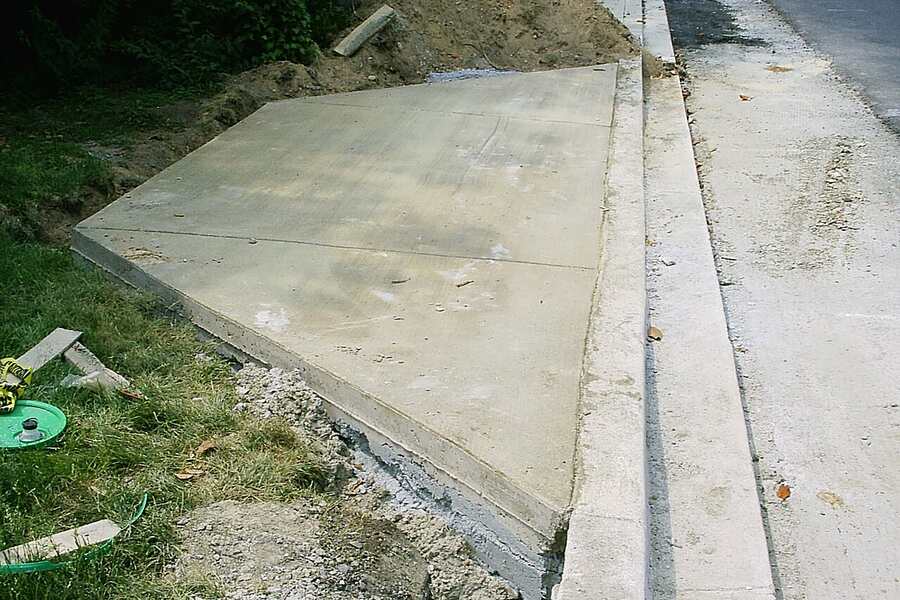
Outdoor spaces are an integral part of residential and commercial properties. From patios and driveways to public walkways and recreational areas, well-maintained surfaces contribute significantly to both aesthetics and functionality. One effective way to rejuvenate and protect these surfaces is through the application of specialised paving paint.
What is Paving Paint?
Paving paint is a specially formulated coating designed for use on exterior surfaces such as concrete, asphalt, and other paving materials. Unlike standard paints, paving paint is engineered to withstand harsh weather conditions, heavy foot traffic, and vehicular movement. Its composition often includes durable pigments and binding agents that ensure longevity and resistance to fading, chipping, and peeling.
Benefits of Using Paving Paint
There are multiple advantages to applying paving paint on outdoor surfaces. Firstly, it enhances the appearance of otherwise dull or weathered pavements, providing a fresh, clean look. This visual improvement can increase property value and create a more inviting environment.
Secondly, paving paint acts as a protective layer, shielding surfaces from damage caused by UV rays, moisture, oil spills, and chemicals. This protection reduces the rate of deterioration, extending the lifespan of the paved area and minimising maintenance costs.
Safety and Practicality
Paving paint can also improve safety. Certain formulations include anti-slip properties, which help to prevent accidents on wet or uneven surfaces. Additionally, paints with reflective or bright colours can be used to delineate parking bays, pathways, and hazardous zones, enhancing visibility and organisation in public and private spaces.
Choosing the Right Paving Paint
Selection of the appropriate paving paint depends on several factors. Considerations include the type of surface, expected traffic levels, climatic conditions, and the intended aesthetic outcome. Many suppliers offer products tailored to specific needs, such as high durability for commercial car parks or decorative finishes for residential patios.
It is advisable to consult detailed product information before making a choice. For instance, paving paint from reputable providers often includes comprehensive specifications regarding coverage, drying times, and compatibility with different substrates.
Preparation and Application Process
Proper surface preparation is critical for the success of paving paint. This involves cleaning the paving to remove dirt, grease, moss, and loose particles. Sometimes, repairs might be necessary to fill cracks or level uneven sections before painting. This Bob Vila concrete patio renovation guide shows similar preparation steps for outdoor concrete.
Application is generally straightforward but should follow the manufacturer’s instructions closely. The process typically includes priming (if required), followed by one or more coats of paint. Adequate drying time between coats is essential to achieve a uniform and durable finish.
Environmental Considerations
Many modern paving paints are designed to be environmentally friendly, with low volatile organic compound (VOC) content and water-based formulations. These features minimise environmental impact during application and throughout the paint’s life.
Maintenance of Painted Paving
Maintaining painted paving surfaces involves routine cleaning with mild detergents and water to remove debris and stains. Regular inspections can identify any areas where the paint has worn or been damaged, allowing for timely touch-ups. Outdoor upkeep works best as a whole, so choosing a reliable tree company can also help keep falling debris and roots away from painted surfaces.
Proper maintenance helps preserve the protective qualities of paving paint, ensuring the surface remains attractive and functional over time.
Applications in Various Settings
Paving paint is versatile and used across diverse environments. In residential settings, it revitalises patios, garden paths, and driveways. For commercial premises, it contributes to car parks, loading bays, and walkways. Additionally, public spaces such as parks, playgrounds, and pedestrian zones benefit from enhanced aesthetics and safety features provided by quality paving paint.
Cost Considerations
Investing in paving paint offers long-term savings by reducing maintenance and repair expenses. The initial cost depends on factors such as surface area, paint quality, and application requirements. However, the durability and protective properties often justify the expenditure.
Expert Advice and Services
For large or complex projects, engaging professional contractors experienced in applying paving paint is recommended. Experts ensure optimal surface preparation, application techniques, and finish quality, maximising the benefits derived from the product.
Conclusion
The use of durable paving paint provides an effective solution to enhance and protect outdoor paved surfaces. Its benefits extend beyond aesthetic improvement, encompassing safety, longevity, and cost-effectiveness. By choosing the appropriate product and adhering to proper application and maintenance protocols, property owners can significantly improve the functionality and appearance of their outdoor spaces.

James is the creative mind behind worthelevate.com, with 4 years of experience writing hilarious puns, including food puns and animal puns. His witty articles add humor to everyday topics, making him a go-to for those seeking a fun twist on their favorite meals and animals.

Comments