Lean Entertainment Schedule for Commuters Who Read on Crowded Trains
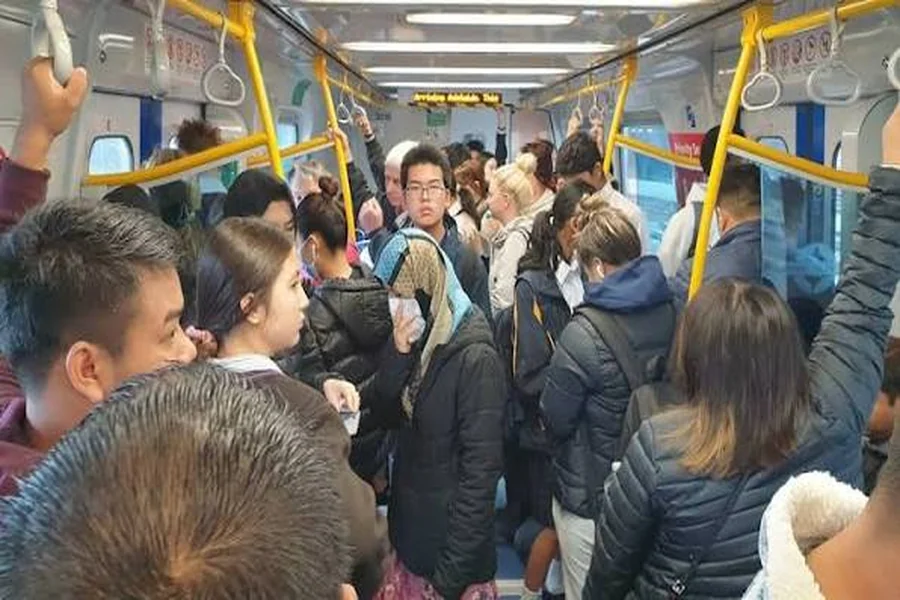
You are wedged between a backpack and a stranger’s elbow, and the chapter you planned to finish is buffering somewhere between two stations. A lean plan for that ride comes down to four decisions made in order: how much time you have, which formats suit a packed carriage, what goes into one queue, and what gets downloaded before you leave.
Each step is a small decision made once and reused. Treat it the way you would plan a route. A sensible setup takes about fifteen minutes to build and a couple of minutes to check each week.
Measure how long your commute lasts
The useful number is the full window, not the timetable. Time the trip from your front door to your seat, including the walk to the platform and any transfer. That total is the real budget, and it is often longer than the train alone.
Boarding eats a few minutes too. Finding a grip or a spot in a crowded car takes time, so the first stretch after the doors close is rarely reading time. A short item you can pause without losing your place fits that gap well, whether it is a chapter, a podcast or a few quick rounds at Lucky Wins.
Write the figure down as a range, such as 25 to 40 minutes. Delays and crowded platforms shift it from day to day, and a range holds up better than a single number.
Choose the right format for a packed carriage
Format matters more than the title when one hand is free and there is no room to open a paperback. Matching the format to the physical conditions is the fastest way to avoid a ride spent holding a book that will not open.
Compare the three main formats
Each format carries a clear trade-off. Ebooks work well standing up, because one hand can hold the phone and the text size is adjustable. Audiobooks suit the worst carriages best, since they need no hands and survive a sudden stop without losing your place. Downloaded long reads and comic episodes fill a short ride neatly, but they feel fragmented if you stop every few pages.
Here is how the three formats compare on a typical packed train:
| Format | Hands needed | Works when standing | Main drawback |
| Ebook | One hand | Good | Screen glare in bright carriages |
| Audiobook | None | Best | Hard to follow in noise without earbuds |
| Downloaded long read or comic | One hand | Fair | Breaks up if you stop every few pages |
Set a backup for a train that is too full to read
Some mornings reading is physically impossible. A backup stops a jammed platform from turning into an empty ride, so it is worth preparing before the day arrives.
A workable fallback has two traits:
- Keep one audio episode queued at the top, ready to play without any searching.
- Play it through a single earbud so the other ear still catches announcements.
Build one queue in a single app
Ordering everything in one place means you never scroll for something to read while the train sways. Open one app that holds your books, audio and saved articles, rather than splitting them across five platforms. A public library app is often a good anchor, since many of them lend ebooks and audiobooks with a library card.
Set up the queue once with these steps:
- Add every book, episode and article you plan to finish this month.
- Put the item you most want to read at the top.
- Move each finished item to a done list so the queue stays current.
- Cap the queue at the next two or three items.
Download everything before you leave home
Offline access decides whether the ride works at all. Mobile data drops in tunnels and underground stretches, so the queue should already be on the phone before you leave the house.
Before the doors close, do these four things:
- Download the whole queue on home Wi-Fi, since underground stretches drop data.
- Switch off automatic downloads for large files, so phone storage does not fill with things you will never reach.
- Check that your existing power bank holds enough charge for the return trip.
- Sync your bookmark or listening position so you can pick up on the same page on the way back.
Check and trim the queue each week
A weekly check keeps the plan light, so it stays enjoyable rather than becoming a chore. Queues tend to drift toward things you feel you should read, and a short review catches that early.
The weekly review covers three steps:
- Set a Sunday evening reminder to look at what you finished.
- Remove anything you read out of obligation rather than interest.
- Keep one item you would happily drop, so the queue never feels like homework.
A sensible rule is that an unfinished book you dread costs more than an empty slot on the train.
Avoid these common commuter planning mistakes
A good setup can still fail in a few predictable ways. The habits below tend to break the plan quietly, so they are worth checking against your own routine.
Watch for these four habits:
- Queuing one very long novel, which leaves nothing to read once you reach the last chapter on a platform.
- Relying on streaming for the ride, which fails in tunnels and on patchy lines.
- Paying for several overlapping subscriptions when one library or app covers most of what you read.
- Forgetting earbuds that fit well, which makes every audio option tiring after ten minutes.
After the first week, the commute can become a fixed slot you look forward to. Start with the time budget tonight.

James is the creative mind behind worthelevate.com, with 4 years of experience writing hilarious puns, including food puns and animal puns. His witty articles add humor to everyday topics, making him a go-to for those seeking a fun twist on their favorite meals and animals.



Comments