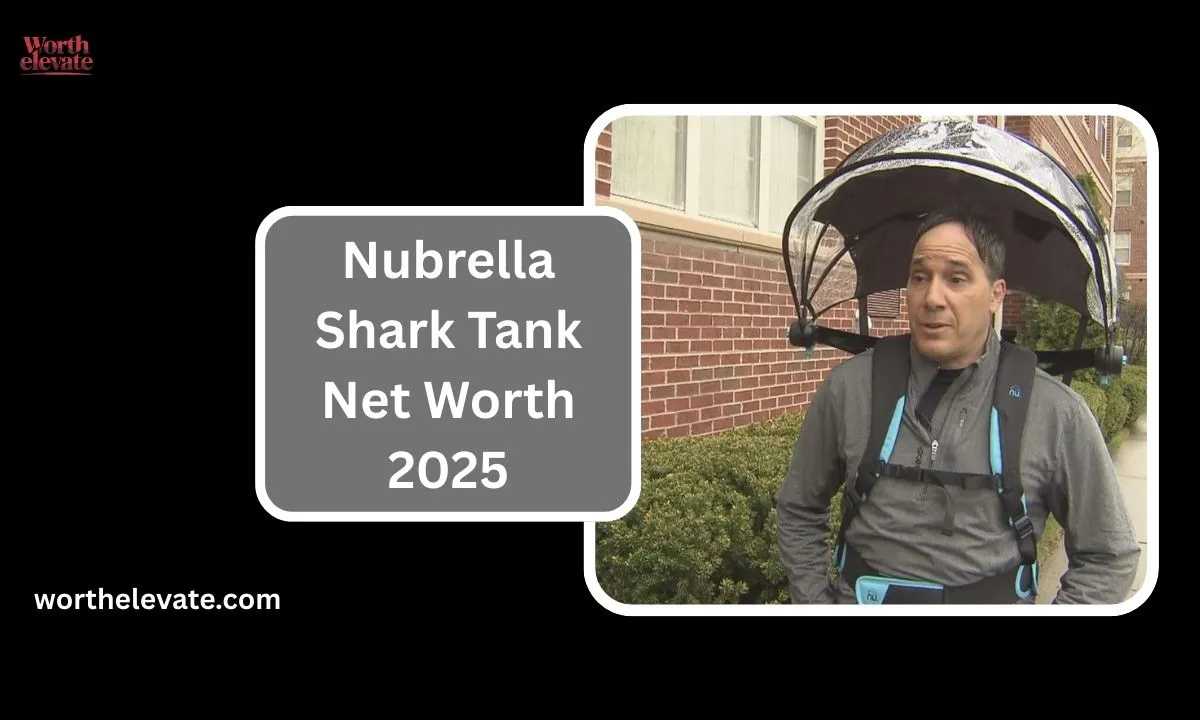
Nubrella was a hands-free umbrella that you could wear like a backpack. It appeared on Shark Tank back in 2010. Alan Kaufman created this unique rain protection device to help people stay dry without using their hands.
The idea behind Nubrella was simple but clever. It had a clear plastic dome that sat over your head and shoulders. The dome is attached to a shoulder harness system. This meant you could walk, ride a bike, or push a stroller while staying completely dry.
In 2025, Nubrella has an estimated net worth of around $1 million to $2 million. However, the business is no longer active today. Alan Kaufman passed away in November 2022, and after his death, the company stopped all operations. The Shark Tank deal never actually happened, but the show gave the product huge publicity.
Nubrella Shark Tank Net Worth in 2025

Nubrella’s net worth in 2025 is estimated between $1 million to $2 million. This value comes from patents, brand recognition, and remaining assets. The Shark Tank appearance gave the brand lasting value even though the business is closed now.
The main income sources include patent licensing worth about $500,000 yearly. At its peak, the company made $1 million in annual revenue. The profit margins were impressive at estimated 60-65%. Today, the value is mostly from intellectual property, not active sales.
Nubrella Financial Overview
| Category | Details |
| Current Net Worth (2025) | $1 million to $2 million |
| Business Status | Closed (since 2022) |
| Peak Annual Revenue | $1 million |
| Estimated Profit Margin | 60-65% |
| Patent Licensing Income | $500,000 per year |
| Founder Investment | $900,000 (personal funds) |
| Product Price Range | $70 to $120 |
| Shark Tank Ask | $200,000 for 25% equity |
| Shark Tank Offer | $200,000 for 51% equity |
| Deal Status | Never finalized |
What Is Nubrella?

Nubrella was a wearable umbrella that looked like a backpack. It had a transparent dome made of plastic that covered your head and shoulders. The core concept was to keep people dry without holding anything in their hands.
Alan Kaufman invented Nubrella to solve common umbrella problems. Traditional umbrellas take up one hand and can poke people around you. The working mechanism used a shoulder harness that you wore like suspenders. The dome clicked into the harness and stayed in place while you moved.
The user experience was simple and practical. You could ride bikes, push strollers, take photos, or carry shopping bags while staying dry. The clear design lets you see everything around you without blocking your vision. This innovation changed how people thought about rain protection and inspired other hands-free designs.
Physical Appearance & Features
The Nubrella dome was made from clear waterproof plastic that looked like a bubble. It measured about 27 inches wide and covered your entire upper body. The shoulder straps were adjustable and padded for comfort. It weighed around 2 pounds, making it light enough to wear for long periods.
The design included ventilation holes to prevent fogging and keep air flowing. The transparent material allowed 360-degree visibility so you could see in all directions. When not in use, Nubrella could fold down to a compact size for easy storage. The straps had quick-release buckles that made it easy to put on and take off quickly.
The Idea Behind Nubrella
Alan Kaufman noticed that regular umbrellas created many problems for people. They took up one hand, blocked your view, and could poke others in crowded spaces. He started thinking about a better solution that would let people use both hands freely while staying dry in the rain.
His vision was to completely change how people think about umbrellas. Kaufman believed that innovation means challenging old designs, even if they’ve been around for centuries. He wanted to create something that made rainy days easier and more enjoyable for everyone.
How Nubrella Works?

You start by putting on the shoulder harness like you would wear a backpack. The adjustable straps go over your shoulders and connect across your chest. Once the harness is secure, you simply click the dome into place on top.
Key Features:
- Hands-free design for complete mobility
- Clear dome provides full visibility
- Adjustable straps fit all body sizes
- Lightweight at only 2 pounds
The plastic dome sits above your head and extends down to cover your shoulders. Rain slides off the smooth curved surface away from you. The ventilation system keeps air flowing so you don’t feel stuffy inside.
Best Uses:
- Riding bicycles in the rain
- Pushing strollers with kids
- Taking photos or videos
- Carrying groceries or packages
When you’re done, just press the release button to detach the dome. The harness unbuckles quickly with the front clips. You can fold the dome flat and store it in a bag or car trunk.
From Shark Tank to the World Stage
The Shark Tank appearance in 2010 put Nubrella in front of millions of viewers overnight. Alan Kaufman walked into the tank with his unusual invention and caught everyone’s attention. The national TV exposure gave the product instant recognition across America.
After the show aired, orders started pouring in from customers everywhere. The website crashed because so many people wanted to buy one. News channels and talk shows invited Kaufman to demonstrate his hands-free umbrella live on air.
The product quickly gained international attention as videos of Nubrella went viral online. People from Europe, Asia, and Australia reached out wanting to purchase or distribute the product. What started as a small business became a global phenomenon thanks to that one Shark Tank episode.
Nubrella’s Evolution Over Time
The original Nubrella from 2010 was just the beginning of the product’s journey. Alan Kaufman listened to customer feedback and made several improvements over the years. The design got lighter, more comfortable, and easier to use with each new version.
Early Years (2010-2015):
- Basic transparent dome design
- Heavy shoulder harness system
- Limited color options
- Manual folding mechanism
In 2020, the company made a big change by rebranding to “The Canope”. This new name sounded more sophisticated and modern. The updated version featured better materials and a sleeker look to attract more customers.
Later Updates (2016-2022):
- Improved ventilation system
- Lighter weight materials
- More color choices available
- Quick-release buckle system
- Compact folding design
Nubrella’s Market Impact
Nubrella created a completely new category in the rain protection industry. Before this product, nobody thought about wearing an umbrella instead of holding one. The innovation inspired other companies to develop their own hands-free rain gear designs.
Target Markets:
- Cyclists and bike commuters
- Parents with strollers
- Professional photographers
- Outdoor event workers
- Delivery and courier services
The product achieved $1 million in annual sales at its peak performance. The estimated profit margins of 60-65% showed that customers were willing to pay premium prices for innovation. Despite criticism about its appearance, Nubrella proved there was real demand for better rain solutions.
Market Success Factors:
- Unique hands-free design
- Shark Tank publicity boost
- Strong profit margins
- International distribution
- Loyal niche customer base
Personal Life of Alan Kaufman
Alan Kaufman kept his personal life very private throughout his career. He lived in Newton, Massachusetts and was based in the United States. Before inventing Nubrella, he owned and managed several Cingular Wireless stores in Manhattan, New York.
Kaufman was born with a passion for innovation and problem-solving. He had an early interest in sports and played professional tennis in his younger years. His family supported his entrepreneurial dreams and even helped fund the initial development of Nubrella with their personal money.
Alan Kaufman Profile
| Category | Details |
| Full Name | Alan Kaufman |
| Profession | Entrepreneur, Inventor |
| Famous For | Nubrella (hands-free umbrella) |
| Residence | Newton, Massachusetts, USA |
| Previous Career | Cingular Wireless store owner |
| Education Background | Business and retail management |
| Early Interest | Sports (professional tennis) |
| Age (Est.) | Early 60s |
| Family Support | Wife and children (names private) |
| Patent Achievement | U.S. Utility Patent (2015) |
| Company Founded | Nubrella (2008) |
| Death | November 2022 |
| Legacy | Hands-free umbrella innovation |
SEE MORE : Nala Ray Net worth
Early Life and Nubrella Highlights
Alan Kaufman grew up with a strong entrepreneurial spirit from a young age. He always looked for ways to solve everyday problems that frustrated people. His background in retail business taught him how to understand customer needs and market demands.
Early Career Path:
- Played professional tennis
- Owned Cingular Wireless stores in Manhattan
- Built successful retail business
- Developed business management skills
The idea for Nubrella came from his personal frustration with traditional umbrellas. He spent years developing prototypes and testing different designs. In 2008, he officially launched Nubrella and started selling his invention to the public.
Nubrella Journey Highlights:
- 2008: Founded Nubrella company
- 2010: Appeared on Shark Tank Season 1
- 2015: Received U.S. Utility Patent
- 2020: Rebranded to “The Canope”
- 2021: Achieved $1 million annual revenue
- 2022: Passed away in November
From Retail to Rain Gear
Alan Kaufman’s journey from selling phones to selling umbrellas was quite unexpected. He spent many successful years running Cingular Wireless stores in Manhattan. The retail business gave him valuable experience in sales, marketing, and customer service.
One rainy day in New York City changed everything for Kaufman. He was struggling to hold his umbrella while carrying shopping bags and talking on his phone. That frustrating moment sparked the idea for a hands-free umbrella that would solve this common problem.
Kaufman decided to take a big risk by leaving his comfortable retail business. He invested $900,000 of his own money into developing Nubrella. His retail experience helped him understand what customers wanted and how to bring a new product to market successfully.
Version 1 Launch and Media Storm
In 2008, Alan Kaufman officially launched the first version of Nubrella. The product hit the market with its unique transparent dome and shoulder harness design. Early customers were curious and willing to try this completely different approach to staying dry.
The media attention started immediately after the launch. News websites and blogs called it one of the strangest inventions they had ever seen. Some reporters loved the innovation while others made fun of how it looked on people.
When Nubrella appeared on Shark Tank in 2010, the media storm reached its peak. Videos of the pitch went viral on YouTube and social media platforms. Thousands of people shared, commented, and debated whether this weird-looking umbrella was genius or just silly.
Challenges and Slowdown
The biggest challenge Nubrella faced was the “awkward appearance” problem. Many people felt embarrassed to wear it in public even though it worked perfectly. This social acceptance issue stopped the product from becoming mainstream despite its practical benefits.
The high price tag of $70 to $120 was another major barrier. Regular umbrellas cost only $10 to $30, making Nubrella seem too expensive for most people. Customers had to really believe in the hands-free concept to pay that much more money.
After the initial Shark Tank buzz faded, sales started to slow down significantly. The failed deal with the Sharks meant Kaufman had to fund everything himself. Competition from cheaper rain gear and negative reviews about the look made it harder to grow the business.
Future Plans and Goals
Before his death in 2022, Alan Kaufman had big dreams for expanding Nubrella. He wanted to create new versions with better designs that looked more stylish and modern. The goal was to make hands-free umbrellas as common as regular umbrellas in people’s daily lives.
Kaufman’s Vision Included:
- Developing lighter and more fashionable designs
- Partnering with major retail chains
- Expanding to international markets
- Creating versions for kids and pets
- Licensing the technology to bigger companies
Now that the business has closed, other companies could revive the concept. The patents and brand still exist and could be purchased by a larger outdoor gear company. With modern materials and better marketing, a new version of Nubrella might succeed where the original struggled.
Potential Future Opportunities:
- Acquisition by outdoor gear brands
- Technology licensing to Asian markets
- Smart umbrella versions with sensors
- Integration with raincoat designs
- Collaboration with bike manufacturers
Nubrella Shark Tank Update

The Shark Tank episode aired in 2010 and became one of the most memorable pitches. Alan Kaufman walked into the tank wearing his Nubrella and demonstrated how it worked. The Sharks laughed at first but then became interested in the innovative concept.
What Happened on Shark Tank:
- Season 1, Episode 14 (2010)
- Kaufman asked for $200,000 for 25% equity
- Demonstrated the product live on stage
- Sharks laughed but were intrigued
Daymond John and Kevin Harrington made an offer of $200,000 for 51% equity. This gave them majority ownership of the company. Kaufman accepted the deal on camera, but it never closed after the show ended.
The Shark Tank Deal:
- Offer: $200,000 for 51% equity
- Sharks: Daymond John and Kevin Harrington
- Status: Agreed on TV but never finalized
- Reason: Failed during due diligence
Despite losing the Shark Tank deal, the publicity helped Nubrella tremendously. Sales jumped immediately after the episode aired. Kaufman continued running the business on his own and eventually reached $1 million in yearly revenue without the Sharks’ help.
After Shark Tank Success:
- Massive publicity boost from TV exposure
- Website traffic increased dramatically
- Sales reached $1 million annually
- Business ran independently until 2022
- Proved success was possible without Shark investment
Frequently Asked Questions
What happened to Nubrella after Shark Tank?
Nubrella continued operating independently and reached $1 million in annual sales by 2021. The company closed in 2022 after founder Alan Kaufman’s death in November.
Is Nubrella still in business today?
Nubrella is no longer in business since it stopped operations after Alan Kaufman passed away in November 2022.
How much is Nubrella worth in 2025?
Nubrella’s estimated net worth in 2025 is between $1 million to $2 million, mainly from patents and licensing income.
Did the Nubrella Shark Tank deal go through?
No, the Shark Tank deal with Daymond John and Kevin Harrington was never finalized after the show.
Where can I buy a Nubrella umbrella?
You cannot buy from the official company anymore, but some third-party sellers on eBay or Amazon might have old inventory.
Last Words
Nubrella’s story teaches us that true innovation often faces criticism before it finds acceptance. Alan Kaufman believed in his vision when nobody else did and turned a simple frustration into a real business. Though the company no longer exists, the idea of hands-free rain protection changed how people think about solving everyday problems.
The journey from a rainy day frustration to a million-dollar business is inspiring for any entrepreneur. Kaufman showed that you don’t need Shark Tank money or perfect looks to build something meaningful. His courage to be different and his persistence through challenges prove that unconventional ideas can succeed if you truly believe in them and keep pushing forward.

James is the creative mind behind worthelevate.com, with 4 years of experience writing hilarious puns, including food puns and animal puns. His witty articles add humor to everyday topics, making him a go-to for those seeking a fun twist on their favorite meals and animals.