Essential Guide to Reinforcing Bars in Construction
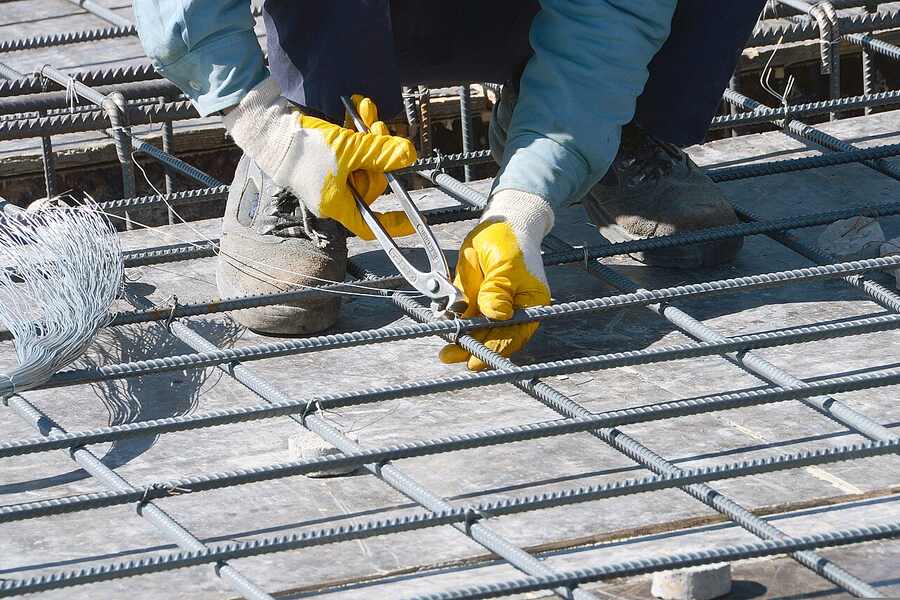
Reinforcing bars, commonly known as rebar, play a crucial role in the construction industry by providing strength and stability to concrete structures. Concrete alone is strong in compression but weak in tension, and this is where reinforcing bars become indispensable. Understanding the properties, types, and applications of reinforcing bars is vital for engineers, builders, and contractors to ensure the durability and safety of their projects.
What Is a Reinforcing Bar?
A reinforcing bar is a steel bar or mesh of steel wires used as a tension device in reinforced concrete and masonry structures. Its main purpose is to improve the tensile strength of concrete, making it more robust and resistant to various forces. Reinforcing bars are typically made from carbon steel and come with ribbed surfaces that facilitate bonding with the concrete.
The Importance of Reinforcing Bars in Construction
Concrete structures without reinforcement are vulnerable to cracking and failure under tensile stress or bending moments. Reinforcing bars absorb these stresses and distribute them evenly, reducing the risk of structural collapse. They also enhance the load-bearing capacity of concrete sections, making large-scale constructions feasible and safe. The American Cement Association publishes further technical resources on how concrete and steel work together in modern structures.
Types of Reinforcing Bars
The construction industry uses various types of reinforcing bars depending on project requirements. Mild steel bars are used in smaller or less critical applications. Deformed bars, which have a patterned surface, offer better bonding with concrete than smooth bars. There are also stainless steel reinforcing bars, which provide higher corrosion resistance, especially in coastal or aggressive environments.
Deformed Bars
Deformed bars are the most common type of reinforcing bars used today. Their ridges or ribs are designed to lock the bar firmly within the concrete matrix, preventing slippage under load. Most structural concrete buildings employ deformed bars to meet design specifications and safety regulations effectively.
Epoxy-Coated Bars
In environments where corrosion is a concern, epoxy-coated reinforcing bars are often selected. The epoxy coating acts as a barrier to moisture and chemicals, which can cause corrosion of the steel. This type of reinforcement enhances the longevity of concrete structures exposed to harsh weather or chemical exposure.
Specifications and Standards
Reinforcing bars are manufactured to specific standards to ensure quality and reliability. In Australia, standards such as AS/NZS 4671 specify the requirements for steel reinforcing materials. These standards cover aspects like mechanical properties, chemical composition, and dimensions, ensuring that the reinforcing bars delivered to construction sites meet consistent quality criteria.
Dimensions and Grades
Reinforcing bars come in a variety of diameters, typically ranging from 6mm to 40mm, allowing engineers to choose appropriate sizes depending on the load requirements. The grade of steel also varies, indicating the yield strength of the reinforcing bar. Higher grade bars can withstand greater forces, which is essential for complex or heavy-load structures.
Yield Strength
Yield strength is a key consideration in selecting reinforcing bars, as it reflects the stress the bar can endure without permanent deformation. Most construction projects use bars with yield strengths of 500 MPa or higher to meet structural demands.
Applications of Reinforcing Bars
Reinforcing bars are used in a wide range of concrete applications, including foundations, slabs, beams, columns, bridges, and retaining walls. They reinforce critical areas to resist tension and shear forces, thereby extending the lifespan and safety of the structure.
Foundations and Slabs
The foundation is arguably the most critical part of any structure, and using reinforcing bars helps distribute loads from above while preventing cracking due to ground movement or other factors. Slabs supported by rebar resist bending and cracking under heavy loads.
Beams and Columns
Beams and columns bear substantial loads and are exposed to bending forces. Reinforcing bars within these elements are essential to carry tensile stresses and improve flexural strength, which is critical in multi-storey buildings and infrastructure projects.
Installation and Handling
Proper installation of reinforcing bars is essential to achieve the desired structural performance. Rebars should be placed according to design drawings and securely tied to maintain position during concrete pouring. Handling requires care to avoid damage to the bars and preservation of coating integrity where applicable.
Corrosion Considerations
Steel reinforcing bars are susceptible to corrosion over time, especially when exposed to moisture and chlorides. Corrosion leads to expansion, cracking, and spalling of concrete. Consequently, protective measures, such as proper concrete cover, use of corrosion inhibitors, and selecting suitable types of rebar, are employed to mitigate risks. Steel-framed buildings face similar risks, and these metal building maintenance tips show how regular checks help prevent rust damage.
Concrete Cover
The thickness of concrete cover above reinforcing bars prevents exposure to the environment and decreases the likelihood of corrosion. Standards typically dictate minimum cover requirements based on environmental conditions.
Cost and Availability
The cost of reinforcing bars varies depending on type, grade, and market factors. Steel prices fluctuate, influencing project budgets. However, considering the essential role of reinforcing bar in structural integrity, investing in quality products and suppliers is critical for long-term benefits and safety.
Advancements in Reinforcing Bar Technology
Recent developments in materials science have introduced new types of reinforcing bars, such as fibre-reinforced polymers (FRP) that resist corrosion and reduce weight. Nevertheless, steel bars remain the most widely used due to their proven performance and cost-effectiveness.
Summary
Reinforcing bars are fundamental components in concrete construction, offering strength, durability, and safety to structural elements. Knowledge of their types, specifications, and installation practices is indispensable for construction professionals. Accessing quality products like those from reputable suppliers ensures that reinforced concrete structures meet modern engineering standards and endure the demands of their environments.

James is the creative mind behind worthelevate.com, with 4 years of experience writing hilarious puns, including food puns and animal puns. His witty articles add humor to everyday topics, making him a go-to for those seeking a fun twist on their favorite meals and animals.

Comments