Metal Building Maintenance: Essential Tips to Protect Your Structure
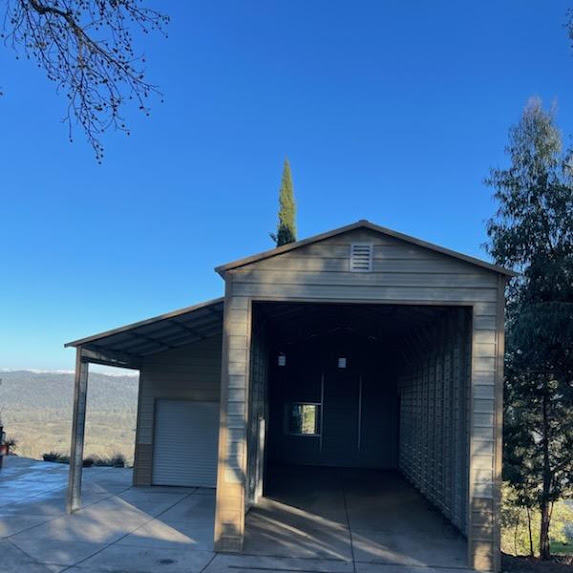
Common Metal Building Maintenance Tasks Property Owners Should Know
Regular inspections can help property owners identify small issues before they develop into larger repairs. Understanding what to look for is particularly useful for garages, workshops, agricultural buildings, and storage structures.
Inspect the Roof Periodically
The roof is one of the most important areas to monitor.
Rain, wind, sunlight, falling debris, and temperature changes can affect roofing components over time.
From a safe location, look for visible damage, loose trim, accumulated debris, or areas where water may be collecting.
After significant storms, inspect the building for signs of damage.
Avoid walking on the roof unless the manufacturer permits it and appropriate safety precautions are in place. Some roof panels and assemblies may not be designed to support foot traffic.
A qualified roofing professional should handle inspections or repairs that require roof access.
Keep Gutters and Drainage Areas Clear
If the building has gutters and downspouts, they should be checked regularly.
Leaves, dirt, branches, and other debris can restrict water flow.
Blocked gutters may cause water to overflow near walls, doors, or foundations. Over time, repeated exposure to standing water can create maintenance problems.
Make sure downspouts direct water away from the structure.
Also inspect the surrounding ground for areas where water collects after rain.
Changes in grading, erosion, or blocked drainage paths can affect how water moves around the building.
Look for Scratches and Coating Damage
Metal exterior panels typically have protective finishes designed to resist weathering and corrosion.
Scratches, chips, or other damage can expose the underlying material.
Inspect areas that are more likely to experience contact, including door openings, corners, and walls near parked equipment.
If coating damage is found, follow the manufacturer’s recommendations for cleaning and repair.
Using an incompatible paint or coating may affect the appearance or performance of the original finish.
Addressing exposed areas promptly can help reduce the likelihood of corrosion developing.
Check Doors and Moving Components
Garage doors, walk-in doors, hinges, tracks, rollers, and latches receive regular use.
Over time, components may loosen, wear, or become difficult to operate.
Pay attention to unusual noises, uneven movement, damaged seals, and doors that no longer close properly.
Lubrication may be recommended for certain moving parts, but the correct product and application method depend on the hardware.
Garage door springs and other high-tension components can be dangerous. Repairs involving those parts should be handled by trained professionals.
Keeping doors in good working condition helps maintain convenient access and can reduce unnecessary wear.
Inspect Seals and Weatherstripping
Weatherstripping helps limit the entry of rain, wind-driven dust, insects, and outdoor air.
Door seals can become compressed, torn, or displaced through repeated use.
Inspect the bottom and sides of large doors, along with seals around walk-in entrances.
Also look for gaps around windows, wall penetrations, and other openings.
Damaged materials may need to be replaced with compatible products.
Proper sealing can be especially important for buildings used to store tools, equipment, paperwork, or materials that are sensitive to moisture.
Keep the Exterior Clean
Dirt, pollen, bird droppings, and other contaminants can accumulate on metal surfaces.
Periodic cleaning helps maintain the building’s appearance and provides an opportunity to inspect the finish.
Use cleaning methods recommended by the panel manufacturer.
A soft brush, mild cleaning solution, and water may be appropriate for many finishes, but specific instructions should always take priority.
Avoid abrasive tools or harsh chemicals that could damage protective coatings.
Pressure washing should only be used when permitted by the manufacturer, with care taken around seams, seals, and openings.
Watch for Moisture Problems
Moisture can enter a building through leaks, damaged seals, poor drainage, or condensation.
Check for water stains, damp materials, corrosion, or persistent moisture around the interior.
Pay attention to corners, roof connections, doors, and areas where equipment is stored against exterior walls.
If moisture appears repeatedly, identify the source rather than simply cleaning up the water.
The solution may involve repairing a leak, improving drainage, adjusting ventilation, or addressing insulation and condensation conditions.
Check Fasteners and Connections
Fasteners and structural connections are important parts of metal buildings.
Visible signs of movement, damaged fasteners, missing components, or unusual deformation should be evaluated.
Do not assume that every fastener should be tightened during routine maintenance. Incorrect tightening can damage washers, panels, or connections.
Structural concerns should be reviewed by a qualified professional familiar with the building system.
Manufacturer maintenance instructions can help identify which components require periodic attention.
Create a Simple Maintenance Schedule
A maintenance routine does not need to be complicated.
Consider inspecting the building at least once or twice a year, along with additional checks after severe weather.
Keep records of repairs, coating touch-ups, door maintenance, and any recurring problems.
Photographs can make it easier to compare conditions over time.
For larger commercial or agricultural structures, a more detailed inspection program may be appropriate.
Protect the Building Over Time
Regular maintenance helps property owners get more value from their investment.
The most useful approach is to inspect the building consistently, keep drainage systems clear, maintain doors and seals, and address visible damage promptly.
Metal buildings in Elk Grove can provide long-term service, but their condition still depends on proper installation, environmental exposure, and ongoing care.
A simple inspection and maintenance routine can help preserve the structure’s appearance, performance, and everyday usability.

James is the creative mind behind worthelevate.com, with 4 years of experience writing hilarious puns, including food puns and animal puns. His witty articles add humor to everyday topics, making him a go-to for those seeking a fun twist on their favorite meals and animals.

Comments