Dental Implants in San Francisco: From Consultation to Restoration
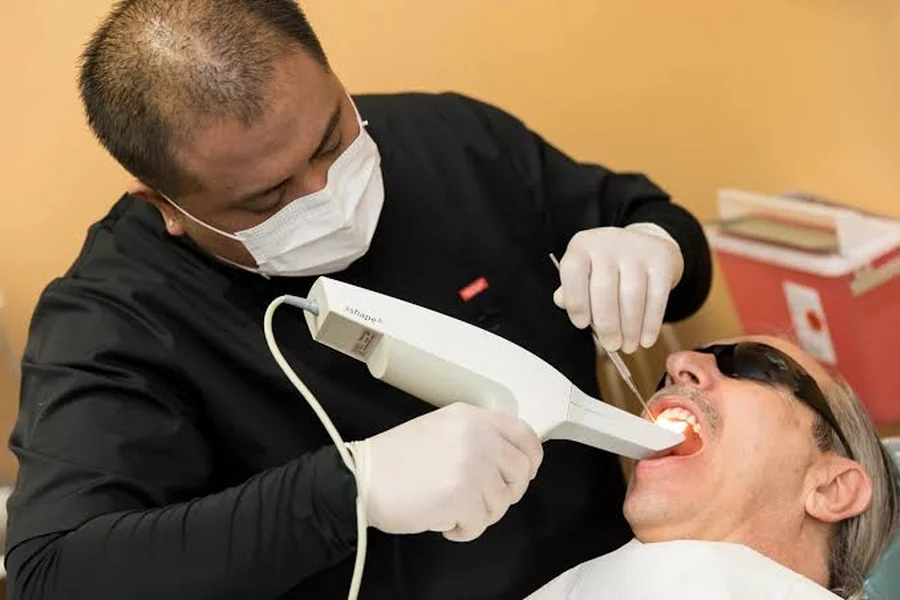
<p><span style=”font-weight: 400;”>A missing tooth can change more than the appearance of a smile. Depending on its location, it may alter chewing, create an awkward space, or complicate the way neighboring teeth are maintained. Dental implants are one way to replace missing teeth without relying solely on adjacent teeth for support. They can be used for individual crowns, some bridges, or full-arch restorations. The best treatment, however, depends on bone health, oral health, medical history, and personal priorities. Understanding each stage of care helps remove some of the uncertainty surrounding implant dentistry.</span></p>
<h2><strong>The Parts of a Dental Implant</strong></h2>
<p><span style=”font-weight: 400;”>An implant is a manufactured root substitute positioned in the jawbone. Once it integrates with the surrounding bone, a connecting component and a custom restoration can be attached. For one missing tooth, that restoration is often a crown. Several implants may support a bridge when multiple teeth are absent. A larger group may support a complete arch of teeth. The important distinction is that implant placement is the surgical stage; creating a well-fitting crown or bridge is the restorative stage. Both must be coordinated from the beginning.</span></p>
<h2><strong>Is Everyone a Candidate?</strong></h2>
<p><span style=”font-weight: 400;”>Implants are not automatically the right answer for every missing tooth. A clinician must consider the amount and condition of available bone, gum health, the patient’s medical history, and habits that may affect healing. The position of nearby teeth and the available space also matter. Someone with untreated dental disease may need other care first. In some cases, a conventional bridge or another restorative option may be more suitable. The purpose of consultation is to understand the alternatives and choose a plan based on clinical findings rather than assumptions.</span></p>
<h2><strong>Planning the Final Tooth Before Surgery</strong></h2>
<p><span style=”font-weight: 400;”>The visible tooth should guide where the supporting implant will go. If an implant is placed without enough thought to the finished crown, the result could be difficult to clean or may not line up comfortably with the opposing teeth. That is why restorative planning needs to happen early. The dentist evaluates the bite, desired tooth shape, and the space available for a restoration. The oral surgeon then uses the agreed plan to determine the surgical approach. This teamwork matters especially when several teeth or an entire arch must be replaced.</span></p>
<h2><strong>The Healing Stage</strong></h2>
<p><span style=”font-weight: 400;”>After implant placement, the bone needs time to heal and integrate with the implant surface. The time required varies; Lands End Dental describes a typical integration period of roughly three to six months for implant cases. Some patients need a temporary restoration during this period, depending on the location and complexity of treatment. Even if discomfort resolves quickly, successful healing cannot be judged by how the site feels alone. Follow-up visits allow the team to check progress before attaching the final prosthetic teeth.</span></p>
<h2><strong>Completing the Crown or Bridge</strong></h2>
<p><span style=”font-weight: 400;”>Once the implant is ready for restoration, the dentist records the position of the implant and the way the remaining teeth meet. A laboratory can then fabricate a crown or bridge designed for that patient’s mouth. The finished restoration should be evaluated for fit, appearance, bite contact, and cleanability. Patients should speak up if chewing feels uneven or a new restoration is difficult to floss around. Small adjustments and clear cleaning instructions can have a major impact on day-to-day comfort.</span></p>
<h2><strong>A Local Team Approach</strong></h2>
<p><span style=”font-weight: 400;”>At Lands End Dental in the Richmond District, Dr. Rosa Mathai evaluates and plans</span><a href=”https://landsenddentalsf.com/implant-dentistry”> <span style=”font-weight: 400;”>dental implants San Francisco</span></a><span style=”font-weight: 400;”> cases and restores implants with crowns, bridges, or larger prostheses as appropriate. She works with an oral surgeon who performs the placement procedure. This is helpful for patients who want to know who is responsible for each step: restorative design and ongoing dental care are coordinated with the surgical portion. The office also treats general preventive and restorative needs, which may be relevant when neighboring teeth require attention.</span></p>
<h2><strong>How to Prepare for an Implant Consultation</strong></h2>
<p><span style=”font-weight: 400;”>Bring a list of medicines, relevant medical conditions, and any recent dental records if available. Be prepared to explain when the tooth was lost and whether the space has changed over time. Mention smoking, grinding, persistent gum bleeding, or previous difficulties healing after dental procedures. These details can influence treatment planning. It also helps to describe what matters most: avoiding a removable appliance, keeping treatment conservative, or understanding how the restoration will look. A clear discussion of goals makes it easier for the team to explain which options are clinically reasonable and why.</span></p>
<h2><strong>Protecting Your Implant Over Time</strong></h2>
<p><span style=”font-weight: 400;”>Implants do not develop cavities, but the surrounding gums still need careful attention. Brush thoroughly, clean between teeth and around the restoration as instructed, and attend professional checkups. Smoking, uncontrolled inflammation, and heavy bite forces can create problems worth discussing with your dental team. Some patients who clench or grind may need a night guard. If you have PPO insurance, ask how benefits apply and whether the office can obtain preauthorization for larger treatment. Lands End Dental welcomes out-of-network PPO patients as well. With a realistic plan and consistent maintenance, implants can be a useful long-term tooth-replacement option.</span></p>
<div itemscope itemtype=”https://schema.org/LocalBusiness”>
<div itemprop=”name”>Lands End Dental</div>
<div>Phone: <span itemprop=”telephone”>(415) 668-0680</span></div>
<div>Url: <span itemprop=”url”><a href=”https://landsenddentalsf.com/”>https://landsenddentalsf.com/</a></span></div>
<div itemtype=”http://schema.org/PostalAddress” itemscope=”” itemprop=”address”>
<div itemprop=”streetAddress”>6332 Geary Boulevard</div>
<div><span itemprop=”addressLocality”>San Francisco</span>, <span itemprop=”addressRegion”>California</span> <span itemprop=”postalCode”>94121</span></div>
<div itemprop=”addressCountry”>United States</div>
</div>
</div>
<iframe src=”https://www.google.com/maps/embed?pb=!1m18!1m12!1m3!1d3153.419001784356!2d-122.49009592542646!3d37.78021921184845!2m3!1f0!2f0!3f0!3m2!1i1024!2i768!4f13.1!3m3!1m2!1s0x80858700299baef9%3A0x41349a5270e2d9b2!2sLands%20End%20Dental!5e0!3m2!1sen!2ske!4v1789412566948!5m2!1sen!2ske” width=”600″ height=”450″ style=”border:0;” allowfullscreen=”” loading=”lazy” referrerpolicy=”strict-origin-when-cross-origin”></iframe>

James is the creative mind behind worthelevate.com, with 4 years of experience writing hilarious puns, including food puns and animal puns. His witty articles add humor to everyday topics, making him a go-to for those seeking a fun twist on their favorite meals and animals.



Comments