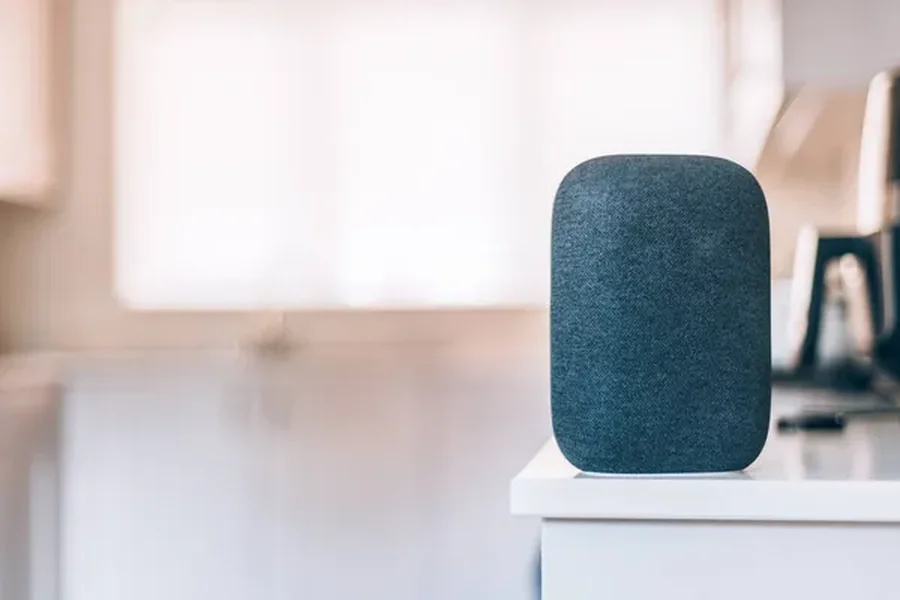
In the realm of audio technology, few innovations have revolutionised the way we experience sound quite like wireless speakers. As consumers increasingly prioritise convenience and quality, products such as JBL wireless speakers have become a staple in many households, offering an unparalleled fusion of superior sound and seamless connectivity. With this shift, understanding the range of options and technological advancements is essential for anyone interested in modern audio systems.
Historical Context of Wireless Audio
The journey towards wireless audio can be traced back to the desire for a clutter-free, flexible sound experience. Prior to the advent of wireless technology, traditional wired audio systems were confined to static setups, limiting their application and aesthetic versatility. The development of Bluetooth technology in the 1990s marked a pivotal moment, facilitating the emergence of the first wireless audio solutions that would lay the groundwork for today’s sophisticated speakers.
Key Features of Modern Wireless Speakers
Today’s wireless speakers are equipped with an array of features that enhance the listening experience. Beyond basic Bluetooth connectivity, modern speakers often incorporate Wi-Fi, allowing for more robust and stable streaming capabilities across greater distances. Additionally, advancements in battery technology have extended the life of portable speakers, enabling hours of uninterrupted playtime without the need for frequent recharging.
Many models now support multi-room audio systems, allowing users to sync several speakers throughout different areas to create a cohesive sound environment. Smart assistants, such as Google Assistant and Amazon Alexa, are increasingly integrated, enabling voice-controlled operation, which further enhances user convenience.
The Rise of Smart Features
Wireless speakers have evolved from simple audio output devices to intelligent systems capable of interacting with a variety of smart home devices. This integration allows users to control lighting, thermostats, and other IoT gadgets directly through their speakers. The incorporation of artificial intelligence has also enabled sound optimisation based on room acoustics, enhancing the overall audio experience.
Sound Quality: Meeting High Expectations
One might assume that the convenience of wireless audio could come at the expense of sound quality. However, manufacturers have invested heavily in overcoming these challenges. Advanced codecs, such as aptX and LDAC, have been developed to preserve audio fidelity over Bluetooth. Many wireless speakers are equipped with sophisticated drivers and passive radiators to enrich bass and high-frequency outputs. With continuous innovation in acoustic technology, wireless speakers now rival, and in some cases surpass, the quality of traditional wired systems.
Environmental Considerations
As the demand for wireless speakers grows, so does the importance of sustainability in their production and disposal. Manufacturers are increasingly adopting eco-friendly practices, from using recycled materials in speaker construction to developing energy-efficient components. Moreover, the trend towards modular design allows users to replace and upgrade parts instead of disposing of the entire unit, significantly reducing electronic waste.
Security and Connectivity Concerns
The integration of wireless technology and the internet in speakers has introduced new security challenges. Users must be conscious of potential vulnerabilities in their devices, such as unauthorised access to personal information through connected networks. Consequently, companies are investing in encryption and advanced security protocols to protect user data and ensure a secure listening environment.
Brand Diversity and Market Options
The market for wireless speakers is broad and varied, with numerous brands offering unique features and designs. While established companies continue to innovate, newcomers bring fresh perspectives and differentiation to the market. This diversity provides consumers with options across different price points, ensuring that there is a suitable product for every listener’s needs.
Future Trends in Wireless Speaker Technology
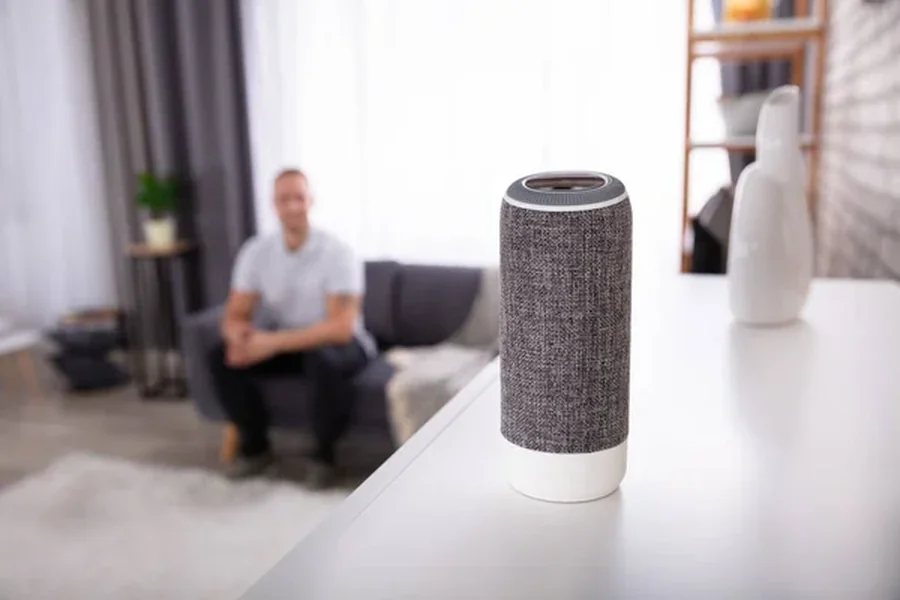
Looking forward, the future of wireless speakers promises further integration of AI, more immersive audio experiences with 3D soundscapes, and enhanced personalisation features. As virtual and augmented reality continue to evolve, wireless audio will play a crucial role in delivering realistic sound environments that complement visual experiences. The convergence of these technologies will undoubtedly redefine the boundaries of auditory entertainment.
Practical Applications and Versatility
Beyond entertainment, wireless speakers serve various practical purposes in everyday life. In educational settings, they are used for interactive and digital learning. Businesses utilise them for seamless audio-visual presentations and conference calls. Outdoors, their portability and durability make them ideal companions for travel and events, proving that their functionality extends far beyond the living room.
Conclusion
Wireless speakers represent a significant advancement in audio technology, redefining how we interact with sound across multiple aspects of daily life. As the industry continues to evolve, staying informed about technological improvements and ecological impacts is crucial for both consumers and manufacturers. With their blend of portability, versatility, and sound quality, wireless speakers will undoubtedly remain an integral part of the audio landscape for years to come.
For a deeper dive into the world of wireless speakers and an array of options, explore innovative solutions through Sonos wireless speakers.

James is the creative mind behind worthelevate.com, with 4 years of experience writing hilarious puns, including food puns and animal puns. His witty articles add humor to everyday topics, making him a go-to for those seeking a fun twist on their favorite meals and animals.