
The freight industry is undergoing a massive transition, and operators can already sense it. These changes affect operating costs and determine how much the average trucker takes home.
In fairness, many of these changes will directly benefit all stakeholders in the business in the long run. Adopting these new developments is not optional; it is crucial to a trucking operator’s survival in the already highly competitive market. However, knowing what these changes are and adapting quickly is perhaps the major problem for truckers.
In this guide, we explore the recent major developments in the haulage space and discuss how staying on top of trucking news is essential for anyone trying to understand where supply chains are heading next.
1. In-Cab Tech and AI in Modern Fleets
The modern semi-truck reminds you of a sci-fi flick from the eighties. The days of a trucker just listening to the engine and shifting gears by feel are quickly fading out. Today’s trucks are connected to telematics systems that stream engine data directly to dispatchers on the go.
Artificial intelligence now plans routes around heavy traffic, detects maintenance problems before a breakdown happens, and monitors driving. Dual-facing dash cameras record everything happening inside and outside the cab.
For example, if a driver looks down at a phone or follows another vehicle too closely, an automated system alerts the carrier. While fleets love this tech for reduced costs, it takes away from the driver’s privacy, causing friction inside the industry.
Since most truck drivers are not tech graduates, keeping up with daily trucking news can help them learn to navigate these new technologies in simple terms.
2. Equipment Costs Are Out of Control
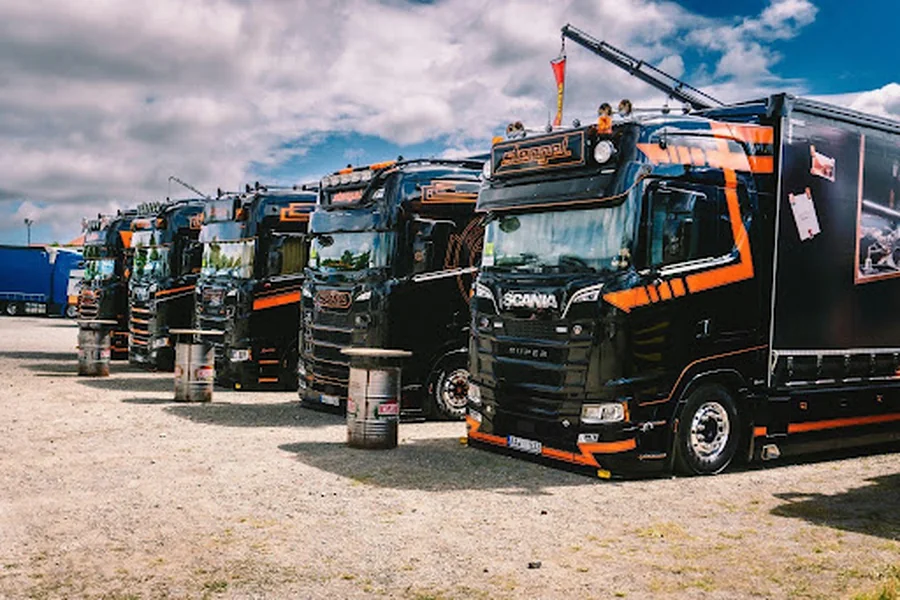
Truck drivers and operators just bursting onto the scene have it harder than past generations. Buying and running a semi-truck costs more than decades ago.
New tractor prices are rising, replacement parts are costly, and shop rates for basic maintenance are ridiculously high. On top of that, insurance costs are skyrocketing, and courts keep favoring massive payouts in truck accident lawsuits worth eight figures.
Since borrowing money to buy new trucks comes with high interest rates, fleet managers are no longer expanding their fleets. Instead, they are strictly replacing broken or worn-out parts. For that reason, old rigs remain on the road longer than they should under strict maintenance routines. No one is willing to spend money to replace trucks unless they are completely worn out.
This challenge is keeping the total number of trucks on the road down. If this continues, only bigger, well-funded companies will hold onto market power while smaller outfits struggle to stay afloat.
3. Realities of Electric vs. Alternative Fuel
Electric trucks work fine for short-haul delivery runs or moving containers around local ports but fall flat for cross-country shipping. The batteries are too heavy, and the interstate power grid cannot support hundreds of heavy trucks plugging in at once.
Due to those limits, the industry is considering renewable energy and clean diesel-hybrid engines to cover long distances. This is where the independent driver suffers. Small trucking companies do not have the millions needed to buy these new alternative rigs, pushing more control toward giant corporate fleets.
4. Self-Driving Rigs in the Works

When autonomous trucks hit the news, many played them down. Today, autonomous trucks are moving out of the lab and onto real interstates. States across the American Southwest, like Texas, are seeing regular test runs of self-driving semi-trucks because of the clear weather and highly motorable highways.
To the driver’s relief, the business plan is not to replace human drivers completely, but to run a hub-to-hub system. Robot trucks will likely handle the long, boring miles on the interstate between highway freight hubs outside big cities.
Once the truck gets near a city, a human driver may take over the trailer to navigate tight city streets, handle local traffic, and back into crowded loading docks. This setup moves freight faster over long distances while leaving the complex, local driving jobs to real people.
5. Market Rebalancing and Established Carrier Prioritization
Recent events gave many a false sense of the realities of the business, causing a massive oversaturation of operators. After a brutal few years of too many trucks chasing too little freight, the market is finally rebalancing. Thousands of small, unprofitable carriers have gone out of business, and stricter enforcement is wiping out illegal operators.
With fewer trucks available and freight volumes holding steady, spot market rates are starting to rise to their fair value. This means shippers can no longer demand rock-bottom prices that leave truckers with next to no profit.
In addition to rising spot market rates, shipping companies are being forced to sign longer contracts with reliable carriers to make sure their products actually get moved on time. The leverage in freight negotiations is starting to tilt back toward established carriers that survived the downturn.
Final Thoughts
The trucking industry of today looks nothing like it did a decade ago. Freight transport is turning into a high-tech, highly regulated field due to strict federal enforcement, skyrocketing equipment costs, and self-driving highway runs.
The survivors are not just the ones with the best trucks, but those who understand how to handle changing technology and follow tight legal rules. Realistically, it will take a while and a lot of money for operators to fully adopt these changes.
The first step remains staying informed on the latest changes and how they affect you. Making trucking updates part of your daily routine can do wonders for your future in the industry.

James is the creative mind behind worthelevate.com, with 4 years of experience writing hilarious puns, including food puns and animal puns. His witty articles add humor to everyday topics, making him a go-to for those seeking a fun twist on their favorite meals and animals.