Is Your Backup Generator Actually Ready? A Business Continuity Checklist
Ensure your backup generator is fully prepared for outages with this essential business continuity checklist, covering fuel management, testing, and…
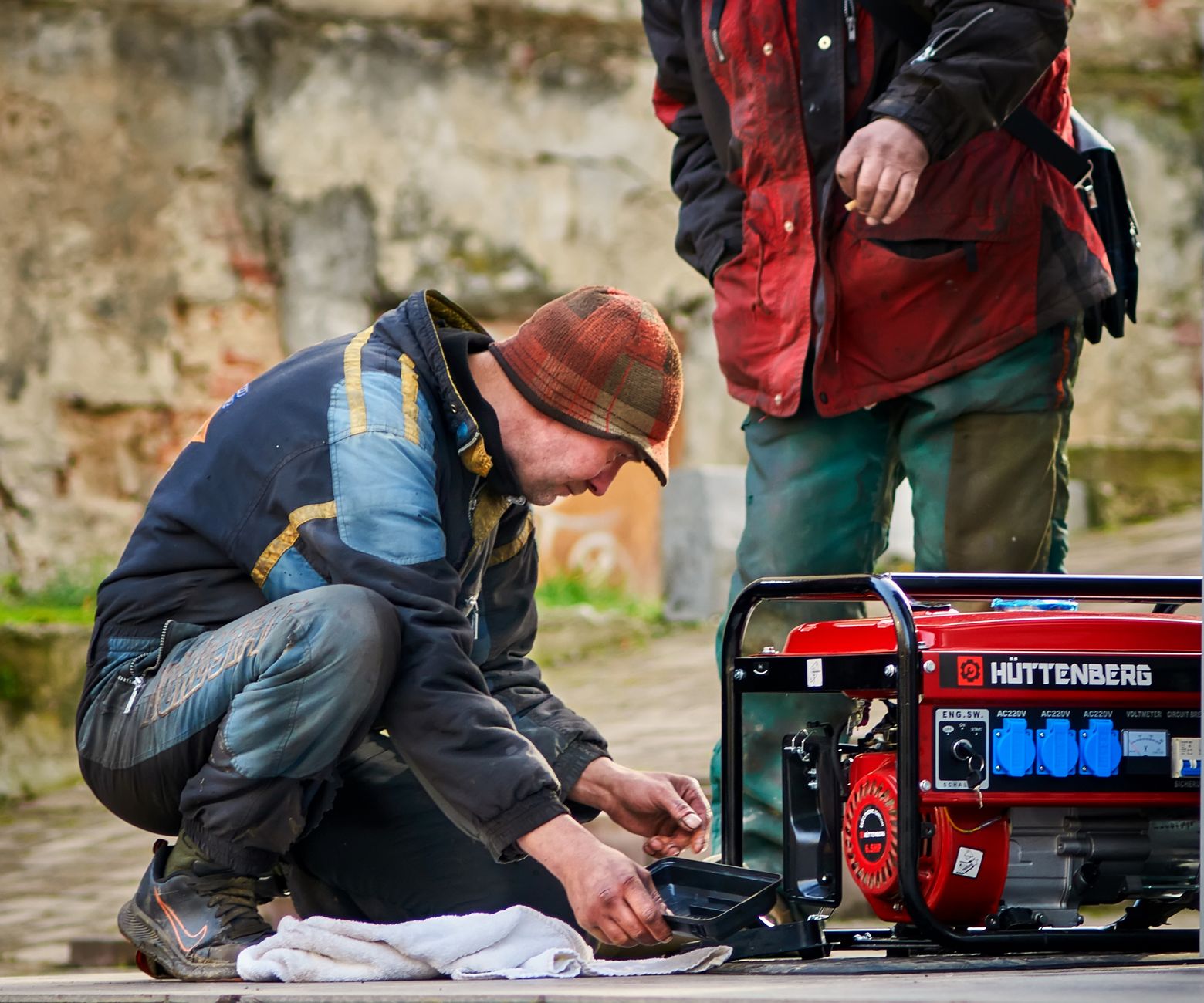
Many businesses install a backup generator and assume the problem is solved. Then a storm knocks out power, and they find out the hard way that a generator without a fuel plan is just an expensive piece of equipment. Whether you run a warehouse, a medical office, a data closet, or a retail location, here's how to make sure your backup power works when you need it.
1. Know Your Runtime
Check your generator's fuel tank capacity and its fuel consumption at the load you expect to run. The manufacturer's spec sheet lists burn rates at different loads. Divide tank capacity by the burn rate and you'll know how many hours you have before you run dry. Many owners are surprised by how short that window is.
2. Size Your Reserve for a Multi-Day Outage
Major storms can leave areas without power for days, not hours. Once you know your runtime, decide how long you need to stay operational without outside help, then work backward to the fuel you need on hand. If your tank only covers one day, you either need more storage or a refueling plan that kicks in before the first day ends. Remember that you rarely run the tank completely dry in practice, so plan around usable fuel, not total capacity.
3. Check Fuel Quality, Not Just Fuel Level
Diesel doesn't last forever. Over time, stored fuel can collect water and grow microbes, and it can break down into sludge that clogs filters. A tank that has sat untouched for a long time may be full and still fail you. Have your fuel tested periodically and consider treatment or polishing for long-term storage.
4. Test Under Load
Starting a generator for a few minutes isn't a real test. Run it under load on a regular schedule so you catch problems before an outage does. Some facilities, such as hospitals, are subject to formal testing requirements, so check which rules apply to you.
5. Arrange Refueling Before the Emergency
This is where most plans fail. During widespread outages, fuel demand spikes and delivery trucks get booked fast. Businesses that wait until the lights go out to find a supplier often end up waiting in line. Setting up generator refueling services in advance means your site is already on a provider's schedule, with priority access when demand surges.
When you set this up, share the details a driver will need: tank location, fill point, gate codes, after-hours contacts, and any site access restrictions. Those small details are what slow down an emergency delivery.
6. Assign an Owner
Someone on your team should be responsible for the generator: tracking fuel levels, scheduling tests and maintenance, and making the call to the fuel provider. When everyone assumes someone else is watching it, nobody is. Name a backup person too, since outages rarely happen at convenient times.
7. Plan Every Location
If your business operates multiple sites, each one needs its own fuel plan. Tank sizes, access, and consumption differ from site to site, and an outage can hit several locations at once.
8. Keep Records
Log every test, maintenance visit, fuel delivery, and fuel quality check. Good records help you spot trends, such as rising fuel consumption that signals a maintenance issue. They also make it much easier to answer questions from insurers, inspectors, or auditors after an outage.
Quick Checklist
- Runtime calculated at expected load
- Fuel reserve sized for a multi-day outage
- Fuel tested within the last year
- Load test completed on schedule
- Refueling provider arranged, with site access details shared
- One owner and one backup per site
- Test, maintenance, and delivery records up to date
The Bottom Line
A generator protects your business only if fuel is ready when it's needed. Spend an hour on this checklist now and you won't be scrambling during the next outage.

James is the creative mind behind worthelevate.com, with 4 years of experience writing hilarious puns, including food puns and animal puns. His witty articles add humor to everyday topics, making him a go-to for those seeking a fun twist on their favorite meals and animals.



Comments