Rental Property Maintenance Checklist in the Greater Toronto Area, Ontario
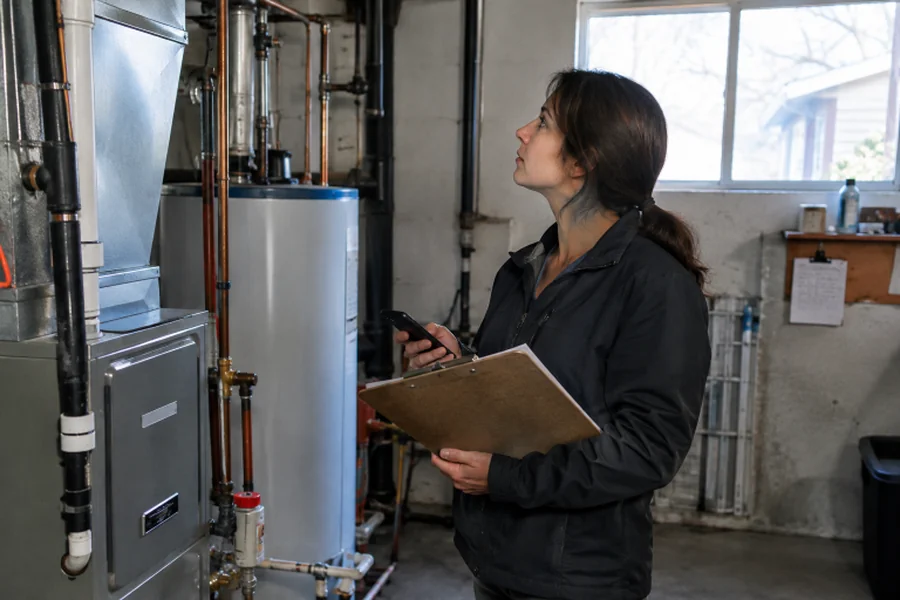
Toronto-area rental homes face a demanding mix of freeze-and-thaw cycles, heavy rain, humid summers, and high tenant turnover. A consistent maintenance plan helps owners respond before small concerns become disruptive repairs. Landlords who need help coordinating inspections, repairs, records, and tenant updates may benefit from a local property management service that understands the Greater Toronto Area.
This checklist is designed for houses, condos, townhomes, and small residential buildings across Toronto, Markham, Mississauga, Brampton, Vaughan, and nearby communities. It is a practical operating guide, not a replacement for local by-laws, condominium rules, insurance requirements, or professional advice.
Why Rental Property Maintenance Matters
Routine maintenance protects the condition, comfort, and usability of a rental home. A slow drain, loose handrail, failed weather seal, or minor ceiling stain may point to a larger issue if it is ignored. In the GTA, prompt attention to drainage, heating, ventilation, and exterior surfaces is especially useful because seasonal weather can quickly expose weak points.
Safety deserves its own place on the schedule. Ontario landlords are responsible for ensuring that rental properties comply with smoke-alarm requirements, and that working smoke alarms are installed on every story and outside sleeping areas. Confirm the requirements for each property type and keep the manufacturer’s instructions with the maintenance file.
How to Build a Maintenance Plan
Start with a complete list of the property’s major systems, including heating and cooling equipment, plumbing shutoffs, appliances, roofs, gutters, windows, doors, alarms, electrical panels, and common-area features. Then organize tasks by frequency:
- Monthly: review requests, visible conditions, safety concerns, and vendor follow-up.
- Seasonal: prepare for changing weather and inspect exterior components.
- Annual: schedule servicing, renewals, deeper inspections, and budget reviews.
- At turnover: document unit condition and complete repairs before a new tenancy.
Assign each task to an owner, tenant, manager, or qualified contractor. Add deadlines, reminders, photos, receipts, and notes so the plan remains useful when personnel or tenants change.
Monthly Maintenance Checklist
- Review unresolved maintenance requests and confirm tenants have received updates.
- Look for water stains, damp areas, leaks, unusual odors, and signs of pests.
- Check common-area lighting, exterior steps, railings, walkways, and entry doors.
- Review heating or cooling complaints for repeat patterns.
- Confirm scheduled contractor work was completed and documented.
- Inspect visible caulking, weatherstripping, locks, and door closers where appropriate.
- Test alarms and safety devices according to applicable rules and manufacturer guidance.
Seasonal Maintenance Tasks
Spring
- Inspect roofing, gutters, downspouts, siding, and foundation areas after winter.
- Clear debris from drains and confirm water moves away from the building.
- Check decks, balconies, fences, exterior stairs, and railings.
- Arrange air-conditioning checks before sustained warm weather.
Summer
- Monitor cooling performance and replace filters as required by the equipment.
- Check window screens, seals, exterior lighting, landscaping, and irrigation.
- Watch for moisture and mold concerns in bathrooms, basements, and poorly ventilated spaces.
Fall and Winter
- Service heating equipment and inspect exposed pipes before freezing weather.
- Clean gutters and review snow, ice, and storm-response arrangements.
- Respond quickly to heating complaints, frozen-pipe risks, ice dams, and roof leaks.
- Protect vacant units from freezing conditions and check them regularly.
Move-In and Move-Out Checks
Tenant turnover is the best opportunity for a detailed condition review. Photograph every room, test appliances and fixtures, check walls, floors, cabinets, windows, locks, outlets, and alarms, then record existing damage in a clear condition report. At move-out, compare the unit against the original record, identify any repairs, and complete any approved work before the next resident arrives.
How to Handle Emergency Repairs
Emergency issues include immediate safety risks, major water intrusion, sewage backups, serious electrical concerns, gas odors, broken exterior security, or loss of an essential service during severe weather. Give tenants a straightforward emergency contact process and ask for photos or video only when it is safe to do so.
- Protect people first and contact emergency services when necessary.
- Use water, gas, or electrical shutoffs only when it is safe and appropriate.
- Dispatch the right qualified contractor and document the response.
- Record costs, photos, communications, and any follow-up repairs.
Records, Budgets, and Vendor Tracking
Keep invoices, warranties, inspection notes, contractor contacts, photos, and service dates in one accessible system. Track the cause and cost of every repair, then flag recurring issues such as repeat drain clogs, persistent leaks, or frequent furnace calls. Separate routine repairs from planned replacement projects, and maintain a reserve for unexpected work and aging equipment.
Tenant Communication and Access
Tenants should know how to report routine problems, urgent concerns, leaks, pests, unusual sounds, and heating issues early. Provide realistic timelines and updates if parts, weather, or contractor availability change the plan. For occupied units, access must respect provincial rules. Ontario guidance explains that, with limited exceptions, landlords must provide 24 hours of written notice before entry and may generally enter between 8 a.m. and 8 p.m. for permitted purposes under rental housing rules.
Common Maintenance Mistakes to Avoid
- Waiting for tenants to report every problem.
- Skipping seasonal exterior inspections.
- Using the same schedule for a newer condo and an older detached home.
- Failing to retain photos, receipts, and completion notes.
- Selecting contractors only by the lowest price.
- Ignoring repeat complaints about the same system.
- Treating cosmetic work as more urgent than safety or water-related repairs.
Frequently Asked Questions
How often should a rental property be inspected?
The right frequency depends on the building, tenancy agreement, known risks, and applicable rules. A useful baseline includes move-in and move-out reviews, seasonal exterior checks, and properly noticed routine inspections.
What maintenance should be done every month?
Review open work orders, visible leaks, alarms, common areas, entry points, exterior hazards, heating or cooling concerns, and outstanding vendor work.
Who pays for rental property repairs?
Responsibility can depend on the cause of the damage, lease terms, and applicable law. Normal wear, tenant-caused damage, and urgent building repairs may be treated differently.
What belongs in a maintenance log?
Record the issue, date reported, location, photos, contractor, work completed, cost, completion date, and any follow-up required.
Final Thoughts
A useful GTA rental maintenance plan does not need to be complicated. Consistent scheduling, prompt communication, reliable documentation, and sensible repair reserves can help protect the property while supporting a safer, more dependable experience for tenants.

James is the creative mind behind worthelevate.com, with 4 years of experience writing hilarious puns, including food puns and animal puns. His witty articles add humor to everyday topics, making him a go-to for those seeking a fun twist on their favorite meals and animals.



Comments