How to Choose the Right Sports Shoes for Women for Every Activity
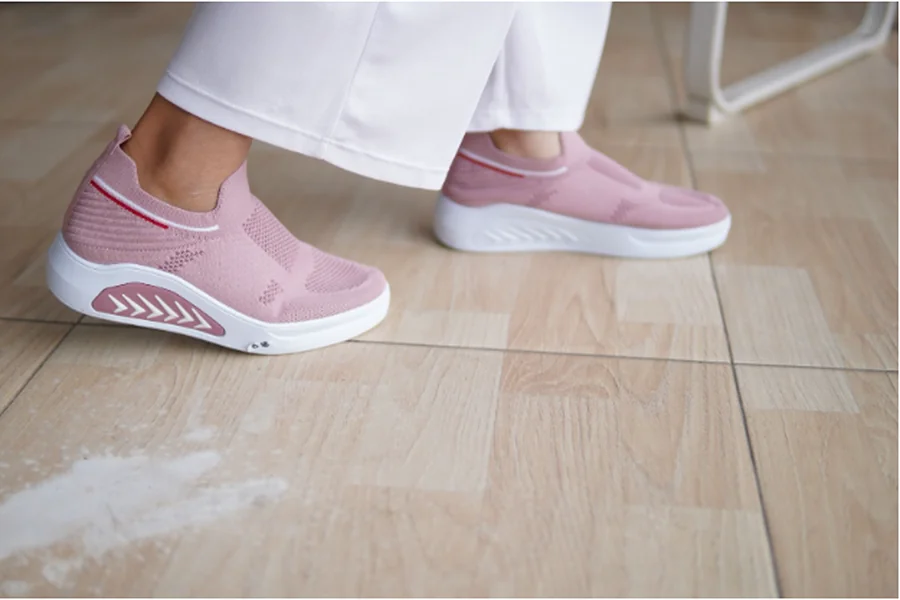
Most of us have bought shoes because they looked great, only to realise a few days later that they weren’t quite right for the job.
Sports shoes are especially easy to get wrong. A soft running shoe might feel lovely on a walk but less steady when you’re lifting weights. A flat gym shoe could feel fine for a short workout, then become uncomfortable halfway through a long run. When you’re looking at sports shoes for women, it helps to start with one simple question: what will you actually spend most of your time doing in them?
You don’t need the most advanced shoe in the shop. You need the right one for your routine.
Running changes the way a shoe needs to fit
A running shoe has to stay comfortable through thousands of repeated steps.
That makes fit important from the start. Your heel should feel secure, but the front of the shoe needs enough room for your toes. If they’re already pressed against the end when you’re standing still, the fit probably won’t improve once you’ve been running for forty minutes.
Don’t assume your usual size will always work either. Brands vary, and so do different models from the same brand.
Try both shoes on. Walk around. If possible, take a few light jogging steps.
The American Academy of Orthopaedic Surgeons offers useful shoe fit advice, including trying sports shoes with the same type of socks you normally wear and making sure there’s enough space around the toes.
Running shoes also tend to have more cushioning than other sports shoes. How much you want is personal. Some runners like a soft feel. Others prefer to feel the ground a little more.
Comfort wins here.
Walking is less complicated
You don’t need a serious running shoe just because you walk a lot.
For everyday walks, comfort and support matter more than a long list of technical features. The shoe should bend naturally as you move and shouldn’t rub around your heel or toes.
Think about where you usually walk as well.
An hour on a treadmill is different from a long day outside. Pavements are harder. Parks may have uneven paths. A holiday can easily turn into fifteen thousand steps without you planning for it.
If walking is part exercise and part daily life, it makes sense to choose something you actually enjoy wearing with normal clothes too. A comfortable pair that works for the gym, errands and travel will probably get far more use than one that only comes out for a Sunday morning walk.
Gym sessions need a steadier base
This is where very soft running shoes can start to feel less useful.
When you’re doing squats, lunges or strength exercises, you generally want your feet to feel stable on the floor. Too much soft cushioning can make that harder.
You don’t necessarily need a specialist weightlifting shoe. For a normal gym session with machines, light weights, and a bit of cardio, a good cross-training shoe can work well.
Classes are slightly different. If you’re doing fast turns, jumps, or side-to-side movements, pay attention to how securely the shoe holds your foot. A shoe can feel perfectly comfortable walking forward and then suddenly feel loose once you move sideways. Try moving in it before you decide. It feels a little silly in a shop, but do it anyway.
Don’t try to “break in” pain
New shoes may soften a little after a few wears. They shouldn’t hurt.
If your toes feel numb, the heel keeps rubbing, or you get the same sore spot after every workout, the problem may be the fit rather than something you need to get used to.
The NHS notes that exercise and tight footwear can both be linked with foot pain, so repeated discomfort is worth paying attention to.
Shopping later in the day can help too, especially if your feet tend to swell. Wear your normal sports socks and spend a little time walking in both shoes rather than trying one on for ten seconds.
Above all, buy for the activity you really do.
If you run three times a week and lift weights once, choose the shoe that makes running comfortable. If most of your time is spent in the gym, stability may matter more. If you’re mainly walking, you can keep things much simpler.

James is the creative mind behind worthelevate.com, with 4 years of experience writing hilarious puns, including food puns and animal puns. His witty articles add humor to everyday topics, making him a go-to for those seeking a fun twist on their favorite meals and animals.


Comments