Family Heirlooms and Modern Proposals: How Engagement Ring Traditions Are Changing Between Generations
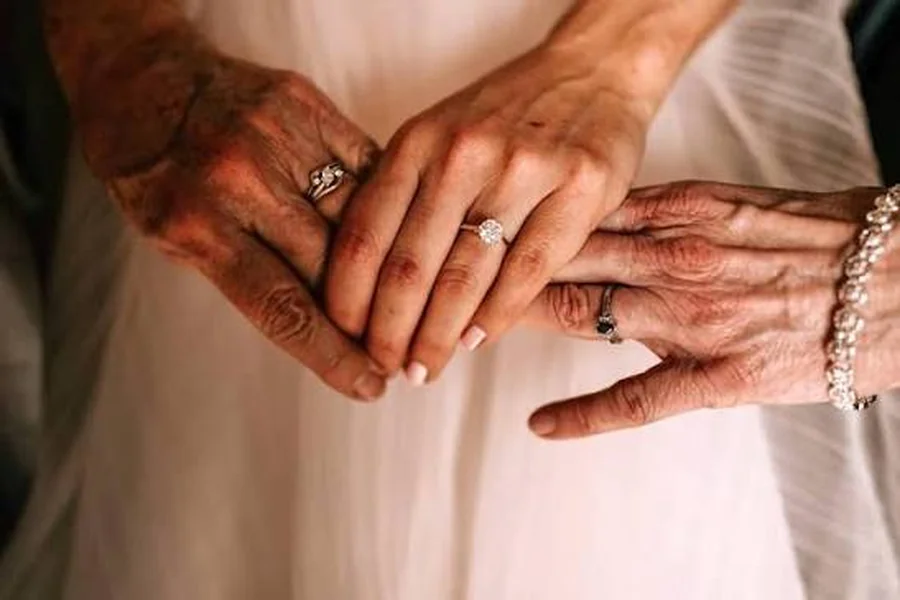
A grandmother’s diamond, set in yellow gold filigree from the 1950s, sits in a velvet box for decades before a grandchild opens it with completely different feelings than anyone expected. Some see a treasure. Others see a ring that doesn’t quite fit who they are. That tension, between honoring the past and building something new, is reshaping how couples approach one of the most personal purchases of their lives.
How Engagement Ring Traditions Have Changed Over Time
The idea of a diamond engagement ring as a near-universal standard is actually a fairly recent invention. For much of the twentieth century, the solitaire diamond was marketed as the only acceptable symbol of commitment, and generations of families built their jewellery collections around that premise. Rings were passed down with the expectation that they would be worn as-is, without question.
That expectation has quietly eroded. According to The Knot’s 2025 Real Weddings Study, about 7% of couples use a family heirloom engagement ring, a figure that reflects just how much the default has shifted toward personal choice. Most couples today are starting fresh. Or at least starting with a conversation rather than an assumption.
The shift isn’t just about aesthetics. It reflects broader changes in how people think about marriage itself: as a partnership built on mutual values rather than inherited scripts.
The Emotional Significance of Passing Jewelry Between Generations
Even when an heirloom ring doesn’t end up on anyone’s finger, the act of offering it carries real weight. A grandmother passing down her engagement ring is doing more than transferring an object. She is extending a story, a marriage, a set of values, and a hope that the next chapter will be as meaningful as the last.
That emotional dimension is something no newly purchased ring can fully replicate. The scratches on the band, the slightly worn prongs, and the specific cut of the stone that was fashionable in a particular decade – these details make heirloom jewellery feel alive in a way that a brand-new piece isn’t. For some couples, that history is the entire point.
When the History Fits
Some families have a natural continuity of taste. A granddaughter who has always loved vintage jewellery, who gravitates toward Art Deco architecture and antique furniture, may find that her grandmother’s ring feels like it was made for her. In those cases, wearing the heirloom is an easy and deeply satisfying choice.
When the Gap Is Too Wide
Other times, the aesthetic distance between generations is too large to bridge by wearing the ring as-is. A 1970s cluster setting or a 1940s yellow gold band may not align with a person’s style at all, and wearing something that feels wrong every single day is a real cost. The most honest response is to acknowledge the gap and find a creative path forward.
Why Modern Couples Often Prefer More Personal Designs
The move toward personalization in engagement rings isn’t a rejection of tradition. It’s an extension of a broader cultural shift toward self-expression that touches everything from home design to travel choices. Couples today expect their ring to say something specific about them as individuals, not just signal a social milestone.
The Knot’s 2024 Jewelry and Engagement Study found that 77% of proposees were involved in selecting their engagement ring, including 29% who shopped alongside their partner. That level of participation would have been unusual a generation ago, when the ring was almost always a surprise chosen entirely by the proposer. Now, it’s increasingly a joint decision, which naturally leads to more personal outcomes.
This is also where the market for diamond engagement rings has evolved most visibly: couples are arriving at jewellers with mood boards, specific stone shapes in mind, and strong opinions about metal type. The conversation has become collaborative from the start.
The Role of Social Media
Platforms like Instagram and Pinterest have given people a visual vocabulary for ring styles they might never have encountered otherwise. Couples can now walk into a jeweler’s knowing the difference between a bezel setting and a pavé band or why they prefer an oval cut over a round brilliant. That knowledge changes the dynamic of the purchase entirely.
Ethical Sourcing as a Personal Value
For younger buyers especially, where a stone comes from matters as much as how it looks. The rise of lab-grown diamonds and traceable natural stones reflects a generation that wants its purchases to align with its values. This isn’t a trend. It’s a fundamental reorientation of what “quality” means in the context of a ring.
Reinterpreting Vintage Diamonds in Contemporary Settings
One of the most satisfying solutions to the heirloom dilemma is also one of the most practical: take the original stone and reset it. A diamond from a 1930s engagement ring can be lifted from its original setting and placed into a contemporary band that suits the wearer’s taste. The family history travels with the stone. The look becomes entirely new.
This approach works especially well with old-cut diamonds, which were faceted differently than modern stones and carry a warm, candlelit quality that many people find more interesting than a standard brilliant cut. Resetting an old mine cut or European cut diamond into a clean modern bezel or a delicate solitaire setting can produce something that feels both timeless and fresh.
The key is working with a jeweller who understands both the historical context of the original stone and the technical demands of the new setting. Not every vintage stone is a candidate for resetting, and an experienced craftsperson will be honest about what’s possible.
Balancing Family Traditions With Individual Preferences
The hardest conversations in this space happen between generations with different expectations. A parent who offers a ring with genuine love may not anticipate the possibility that it won’t be worn. A couple who prefers something different may worry about causing hurt feelings.
A few principles tend to help:
- Have the conversation early. Waiting until after the proposal to discuss a family ring creates pressure on both sides. Raising the topic before any decisions are made gives everyone room to be honest.
- Separate the stone from the setting. Offering to reset a family diamond is often a meaningful middle ground that honors the original gift while creating something wearable.
- Document and preserve what isn’t worn. A ring that doesn’t become an engagement ring can still be kept, photographed, insured, and passed along to the next generation with its full story intact.
- Recognize that love, not the object, is the point. The ring is a symbol. The relationship it represents is what actually matters, and most families, when given space to reflect, understand that.
The Role of Craftsmanship in Preserving Sentimental Jewelry
Heirloom jewellery requires a different kind of attention than new pieces. Prongs wear down over decades. Settings loosen. Metals develop patina. A ring worn daily for fifty years may need significant restoration before it’s safe to wear again, and that restoration is itself a form of honoring the piece.
Skilled jewelers who specialize in estate and vintage work can assess the structural integrity of an old ring, replace worn prongs without altering the character of the setting, and match original metals in ways that preserve its historical feel. This kind of craftsmanship isn’t about erasing the past. It’s about making sure the past can keep travelling forward.
Creating a Ring That Connects Personal History With a New Chapter
The best engagement rings, whether heirlooms, newly purchased, or something in between, share a quality that has nothing to do with price or provenance. They feel intentional. They reflect a real decision made by real people about what they value and how they want to begin a life together.
That intentionality is what makes a ring meaningful over time. A couple who chose their setting together, who spent weeks thinking about the right stone, who reset a grandmother’s diamond into something that finally feels like theirs: that ring carries a story worth telling. And fifty years from now, someone else may open the box and feel exactly the same tension between honoring the past and building something new.

James is the creative mind behind worthelevate.com, with 4 years of experience writing hilarious puns, including food puns and animal puns. His witty articles add humor to everyday topics, making him a go-to for those seeking a fun twist on their favorite meals and animals.
Comments