Can You Put Essential Oils in Your Hair?
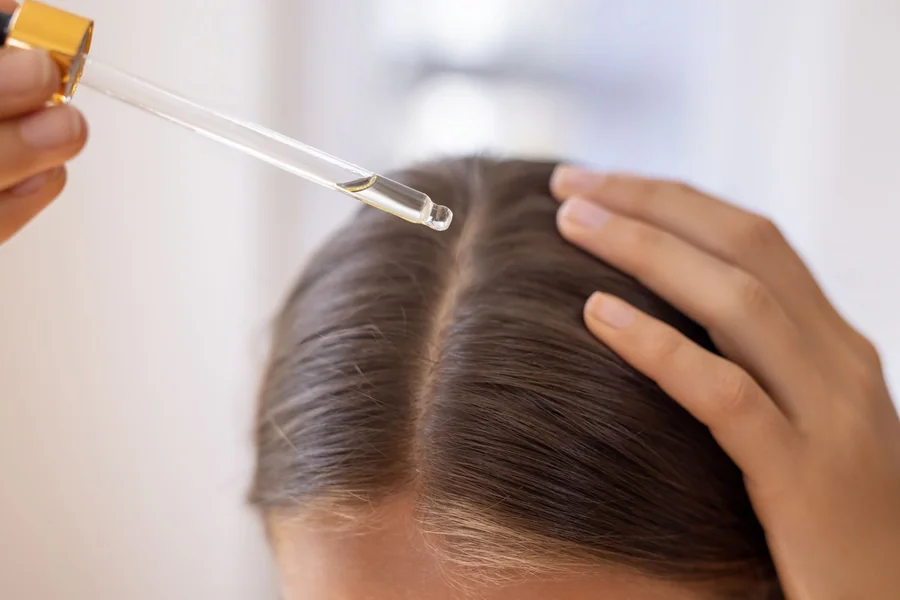
Essential oils are everywhere in hair care these days. From rosemary oil for hair growth to lavender oil for scalp care, someone’s always recommending a new oil for healthier, thicker, shinier hair. Since so many people are adding them to their hair care routines, you might be tempted to try them too.
But can you put essential oils in your hair? Are they actually good for your hair and scalp, or could they do more harm than good?
The truth is, essential oils can be a useful addition to your hair care routine when used correctly. However, they’re much more concentrated than regular hair oils, so you should use them carefully.
Let’s look at their benefits, which oils to try, and how to use them safely.
Can You Put Essential Oils in Your Hair and Scalp?
Yes, you can use essential oils on both your hair and scalp. In fact, certain oils may help with common concerns like dryness, dandruff, and hair thinning.
However, there’s one important rule: never apply undiluted essential oils directly to your scalp.
Essential oils are highly concentrated plant extracts. Even a few drops can cause redness, itching, irritation, or an allergic reaction.
What Are the Benefits of Essential Oils for Hair?
Different essential oils offer different benefits. Generally, you can expect the following benefits:
May Support Hair Growth
Rosemary oil is one of the most popular essential oils for hair growth. Some research suggests it may improve hair growth in people experiencing certain types of hair loss.
Keep in mind, though, that essential oils aren’t guaranteed to make your hair grow faster or thicker.
May Help With Dandruff
Certain essential oils have antimicrobial and antifungal properties that may help with scalp concerns.
Tea tree oil, for example, is commonly used in dandruff products. It may help reduce flakes and support a healthier scalp, although it can irritate sensitive skin.
Can Improve Your Hair Care Routine
Essential oils can also make your regular scalp massage more enjoyable. Lavender has a relaxing floral scent, while peppermint creates a refreshing, cooling sensation.
When mixed with a moisturizing carrier oil, they can become part of a simple pre-shampoo treatment.
Best Essential Oils for Hair and Scalp
Not sure which essential oil to choose? Here are four popular options:
- Rosemary Essential Oil: A popular choice for people concerned about thinning hair. Early research suggests it may support hair growth.
- Lavender Essential Oil: Known for its calming fragrance. It also contains compounds with potential anti-inflammatory properties.
- Peppermint Essential Oil: Creates a cooling sensation on the scalp. Animal studies suggest it may promote hair growth, but there’s little evidence confirming the same results in humans.
- Tea Tree Essential Oil: Often used for dandruff and scalp buildup because of its antimicrobial properties. However, it can cause irritation, especially when used incorrectly.
How to Safely Use Essential Oils for Your Hair
Now that you know the potential benefits, let’s talk about how to apply them correctly.
Mix With a Carrier Oil
Start by mixing 2-3 drops of essential oil with one tablespoon of a carrier oil, such as coconut, jojoba, or sweet almond oil. Some people also like pure organic castor oil from places like Organic Castor. This carrier oil for hair is thick and moisturizing, which gives your scalp a rich base to work with when using essential oils.
Stir it well before use. Can you put essential oils in your hair without diluting them? No, and it’s best not to try.
Massage Into Your Scalp
Part your hair into sections and gently massage the diluted mixture into your scalp using your fingertips.
Leave it on for around 15-30 minutes before washing your hair with shampoo. You don’t need to leave it overnight, especially if you’re trying an oil for the first time.
Add to Your Shampoo
Another option is to mix a drop of essential oil into a single portion of shampoo.
Make sure it’s thoroughly mixed before applying it. Avoid adding essential oils directly to your entire shampoo bottle, as they may not distribute evenly.
Precautions When Using Essential Oils on Hair
Before trying essential oils, remember these safety tips:
- Perform a patch test with the diluted mixture and watch for reactions over 24-48 hours.
- Avoid applying them to broken, inflamed, or irritated skin.
- Keep essential oils away from your eyes.
- Stop using them immediately if you experience burning, redness, or itching.
If you have a sensitive scalp, an existing skin condition, or ongoing hair loss, ask a dermatologist, “Can you put essential oils in your hair?”
So, Can You Put Essential Oils in Your Hair?
Yes, as long as you use them properly.
Oils like rosemary, lavender, peppermint, and tea tree may benefit your hair and scalp. However, they’re not miracle treatments, and results can vary.
Start with a properly diluted mixture, use it occasionally, and watch how your scalp reacts. With the right precautions, essential oils can be a pleasant addition to your regular hair care routine.

James is the creative mind behind worthelevate.com, with 4 years of experience writing hilarious puns, including food puns and animal puns. His witty articles add humor to everyday topics, making him a go-to for those seeking a fun twist on their favorite meals and animals.

Comments