Sending a satellite into orbit used to be an undertaking that only governments and well-funded corporations could realistically afford. SpaceX has helped change that by developing reusable rockets, increasing launch frequency, and making space transportation accessible to a wider range of customers.
Why Launching Satellites Used to Cost So Much
Consider what happens when an airline completes a flight. The aircraft lands, undergoes routine checks, and prepares for another journey. Now imagine that the airline had to purchase a replacement aircraft after every flight.
That was essentially the financial challenge facing the satellite launch industry for decades.
Most rockets were designed for a single mission. Once their fuel was exhausted and their payloads were delivered, expensive engines, fuel tanks, and other components were discarded.
The manufacturing costs of those components had to be recovered through a single launch, making space transportation exceptionally expensive.
This economic problem eventually became central to SpaceX’s business strategy. It also helps explain why investors researching a spcx stock price prediction may be interested in the company’s launch technology and long-term growth prospects. However, SpaceX remains privately held, and any future stock valuation would depend on considerably more than rocket launch expenses.
The Breakthrough That Changed Rocket Economics
SpaceX’s most significant contribution to lowering launch costs came from developing rockets that could return to Earth and fly again.
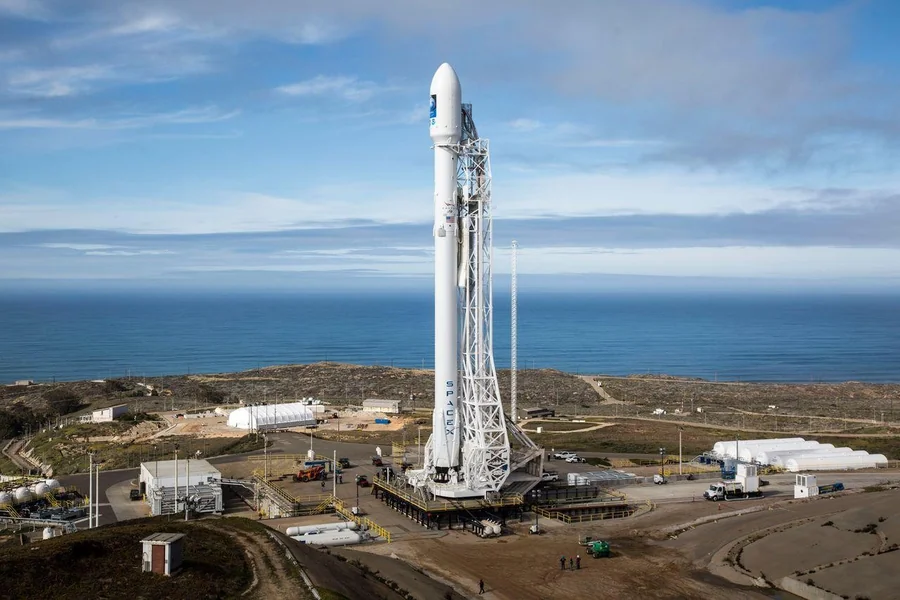
Its Falcon 9 rocket uses a powerful first stage to lift the vehicle through the early portion of its journey. After separating from the upper stage, the booster can perform a series of engine burns that guide it toward a landing site or an offshore platform.
The first successful Falcon 9 booster landing took place in December 2015. Less than two years later, SpaceX demonstrated that a previously flown orbital-class booster could be used for another mission.
These milestones were important because they challenged a long-standing assumption about the economics of spaceflight.
A rocket booster contains sophisticated engines, electronics, and structural components that require considerable resources to manufacture. Recovering this equipment allows SpaceX to avoid rebuilding everything for each mission.
Of course, reusable rockets are not maintenance-free. Engineers still inspect components, replace worn parts, and prepare vehicles for their next flight.
The savings come from avoiding the need to manufacture a completely new booster every time SpaceX sends another payload into orbit.
Sharing a Rocket Instead of Buying the Entire Flight
Not every satellite requires a dedicated rocket.
Some satellites are small enough to fit inside a suitcase, while others weigh several tons. Historically, smaller satellite operators often faced an uncomfortable choice between paying for expensive transportation or waiting for a suitable launch opportunity.
SpaceX addressed this problem through its rideshare program.
Rather than reserving an entire Falcon 9 for one customer, the company can transport numerous satellites belonging to different organizations on a single mission.
Think of the difference between hiring a private truck and paying for space in a delivery vehicle already traveling in the right direction.
For a university conducting atmospheric research or a startup developing satellite imagery services, sharing launch capacity can make an ambitious project financially realistic.
The arrangement does involve compromises. The downside is that smaller satellite operators must work around a flight schedule and route chosen largely by SpaceX, rather than deciding exactly when and where their satellites will be launched.
Nevertheless, the lower entry cost has made satellite deployment practical for organizations with relatively modest budgets.
How Starlink Helped SpaceX Launch More Frequently
SpaceX has another advantage that traditional launch companies often lack: it operates a large satellite network of its own.
Starlink, the company’s satellite internet service, requires thousands of spacecraft to be deployed and eventually replaced.
This creates a continuing need for launches, even when demand from outside customers fluctuates.
Regular missions give SpaceX opportunities to refine launch procedures, train personnel, and make better use of its facilities.
A launchpad, manufacturing plant, and engineering workforce all involve expenses that do not disappear when rockets remain idle.
By operating frequently, SpaceX can distribute some of those costs across a greater number of missions.
Starlink also creates an unusual relationship between two parts of the business. SpaceX manufactures and launches satellites for a service that can generate recurring subscription revenue.
This does not mean every Starlink launch is inexpensive or profitable. Keeping Starlink operational means continually spending money on new satellites, replacement equipment, and the infrastructure needed to support the network. However, the arrangement provides SpaceX with launch demand that does not depend entirely on external contracts.
Could SpaceX Make Launches Even Cheaper?
SpaceX is now pursuing a more ambitious version of its reusable rocket strategy through Starship.
While Falcon 9 routinely recovers its first stage, Starship is being developed with the goal of reusing both major stages of the vehicle.
If SpaceX can achieve rapid, reliable reuse while carrying substantially larger payloads, the cost of transporting equipment into orbit could decline further.
However, developing such a system involves major technical challenges, and its eventual operating costs remain uncertain.
For now, Falcon 9 provides the strongest evidence of how SpaceX has reshaped the launch business.
SpaceX’s real achievement went beyond bringing rockets safely back to Earth after a launch. It was finding ways to reuse expensive equipment, fill rockets with paying customers, and operate often enough to make those improvements commercially meaningful.
Together, those changes have helped turn satellite launches from rare, extraordinarily expensive events into a more routine service available to a much broader market.

James is the creative mind behind worthelevate.com, with 4 years of experience writing hilarious puns, including food puns and animal puns. His witty articles add humor to everyday topics, making him a go-to for those seeking a fun twist on their favorite meals and animals.