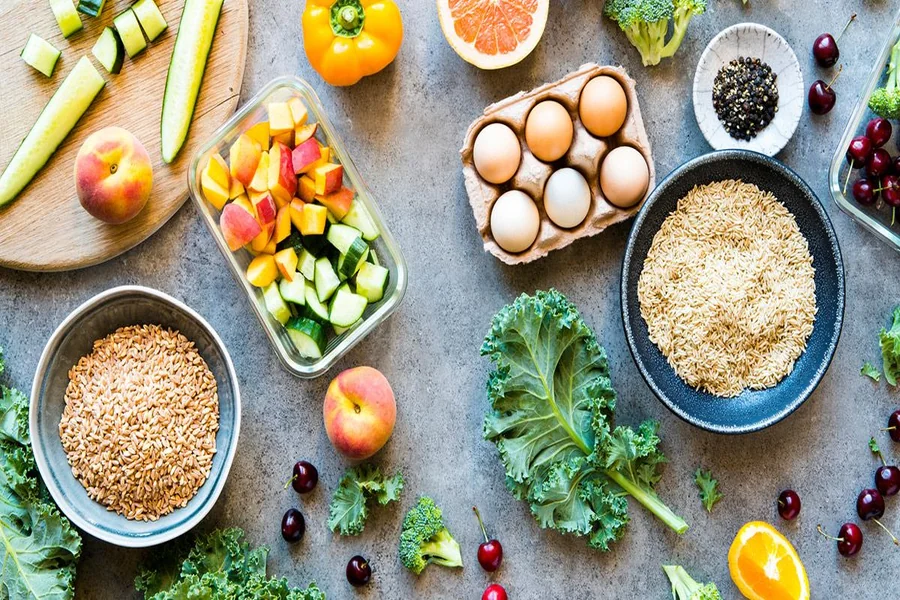
Knowing how to eat a healthier diet doesn’t have to be complicated or have a “no” list. One of the easiest ways is to learn how to improve your diet with more whole foods. Whole foods are foods that are kept close to their natural state and typically feature a low number of added ingredients compared to processed foods.
Fruits, vegetables, whole grains, beans, nuts, seeds, eggs, fish, and less processed meats are examples. These foods offer essential nutrients like fibre, vitamins, minerals, protein and good fats.
It’s not a drastic change in diet that you need to make all at once. Making small and realistic changes can make whole foods a bigger part of your everyday meals.
What Are Whole Foods?
Whole foods are foods that have been processed very little, if at all, before they get to your mouth. They are usually lower in added sugars, artificial flavors, preservatives and refined ingredients.
An apple is a whole food for instance. Another example is unsweetened oats. Other whole food pattern foods include beans, brown rice, potatoes, carrots, almonds and eggs.
Even with minimal processing some foods are still considered to be healthy. Other nutritious foods include frozen vegetables, canned beans, plain yogurt and canned fish.
Not necessarily to eliminate all processed foods. Rather, make nutrient-dense and less processed foods the core of your diet.
Start With More Fruits and Vegetables
The simplest way to consume more whole foods is to boost your intake of fruits and vegetables.
Consider serving fruit at breakfast. Fruits such as bananas, berries, oranges, apples can be added to oatmeal, yogurt or eggs.
Vegetables may be served during lunch and dinner. Leafy greens, tomatoes, and carrots, broccoli, peppers, cauliflower and other vegetables can be easily incorporated into salads, soups, stir-fries, sandwiches and main dishes.
But fresh produce isn’t the only thing available. Frozen fruits and vegetables are a convenience and can be stored for a longer period of time.
Whenever possible, select choices that are not too high in added sugar, salt or sauces.
Replace Refined Grains With Whole Grains
One of the more pragmatic ones is the substitution of some refined grains with whole-grain foods.
Whole-grain breads, whole-grain cereals and whole-grain rice are sometimes lower in fiber than their white counterparts.
Try eating these types of foods:
- Brown rice
- Oats
- Whole-wheat bread
- Barley
- Quinoa
- Whole-grain pasta
Whole grain foods are a source of carbohydrates, fibre and some essential nutrients.
It’s not necessary to make all the refined grain changes at once. Try one meal at a time. For instance, switch to oatmeal for breakfast a couple of times a week instead of a sweetened breakfast cereal or serving up brown rice instead of white rice a few times a week.
Include More Beans and Legumes
Beans and legumes are whole foods that are inexpensive, can be used for protein, have fiber, vitamin, and minerals.
Black beans, chickpeas, kidney beans, lentils, peas and other beans are simple to add to meals.
Beans can be served in soups, vegetable bowls, salads, rice dishes, wraps, or any other dish. Lentils may be added to curries, stews and sauces.
Canned beans are also available. Some of the sodium can be leached out by emptying them and flushing them out.
For meals to be more filling, try to include legumes regularly, and boost the quantity of plant-based food enjoyed.
Choose Whole-Food Snacks
Snacking can be a healthy way to make healthy choices for your diet.
Snacks that are processed are likely to contain a high amount of added sugar, sodium, or refined carbohydrates. Substituting some of these with whole-food alternatives can help to make your diet better.
Some good alternatives are fresh fruit, nuts, seeds, boiled eggs, vegetables, plain yogurt or homemade popcorn.
For instance, if you usually have cookies as your afternoon snack, have an apple with a few nuts.
The aim is not to remove all the foods that you really want. Just make it easy and accessible to make a healthier choice.
Cook More Meals at Home
You can control the ingredients that go in to your meals when you cook at home.
Foods at restaurants and foods that you can easily prepare at home can sometimes be high in salt, sugar, oils, and other ingredients. It’s easier to incorporate vegetables, whole grain foods, lean proteins and other nutritious foods into homemade meals.
There is no need to put together elaborate dishes.
Simple meals can be grilled chicken or fish, vegetables and brown rice. Lentil soup with whole grain bread and salad might be another possibility.
If you have a few simple recipes to try, whole-food eating will be a breeze.
Keep Healthy Foods Easy to Reach
Your surroundings can have a significant impact on your food decisions.
Making healthy options easy to eat can encourage you to consume more of them.
Place fruit in an easily visible location. Wash and cut vegetables ahead of time. Keep small amounts of nuts or seeds for snacking.
Seasonal foods, like rice, beans, cooked veggies or boiled eggs, also can be prepared ahead of time.
When you’re busy, preparing food can help curb your cravings for less healthy convenience options.
Read Ingredient Labels
Reading labels of food products can give you information about the amount of processing they have received.
Read the label and pay attention to the ingredients, not just what is written on the box.
Less extraneous ingredients in the products might be a better option.
When making comparisons between two similar foods, look for added sugars, sodium and saturated fat.
For instance, the amount of additional ingredients in plain oatmeal is typically less than in sweetened instant oatmeal.
Practicing label reading can make it easier and help you make informed choices.
Make Gradual Changes
Making a complete change in your diet the same day can be daunting.
Instead, it’s easier to make small, incremental changes that you can sustain.
Begin by selecting one or two habits. Try to add vegetables to meals daily or substitute a factory snack with fruit.
After it becomes second nature, continue to make incremental changes.
These changes, over time, can add up to more whole food in your diet without healthy eating being too constraining.
Build Balanced Meals
Whole food meals should consist of a mix of nutrients.
A balanced plate can contain vegetables and/or fruit, protein, a whole grain or a source of carbohydrate, and a moderate amount of healthy fats.
For instance, try grilled fish with roasted veggies and potatoes, and avocado.
A second meal might be having brown rice, beans, vegetables and a little bit of olive oil.
Well-balanced meals can keep you going and make you feel full.
Avoid Thinking in Terms of Perfection
There is no need to be perfect when eating healthily.
You can still have desserts, restaurant meals and packaged foods every now and again, and still have a diet rich in whole foods.
It is important to not put too much emphasis on having to follow the rules when eating, otherwise it can become stressful.
Instead, focus instead on how you eat overall. With most of your meals being composed of healthy food, the occasional indulgence won’t make up the rest of your meals.
It is easier to implement a flexible approach over the long haul.
Benefits of Eating More Whole Foods
Many nutritional benefits can be obtained from a diet that is primarily composed of whole foods.
Whole foods typically contain high levels of fiber, vitamins, minerals, antioxidants, proteins and healthy fats. They can also have less added sugars and sodium than many processed foods.
A diverse diet with vegetables, fruits, whole grains, legumes, nuts, seeds, and healthy protein options can help maintain good digestive health, energy levels, and overall health.
Variety is important because foods contain different nutrients.
Final Thoughts
Eating more whole foods doesn’t necessarily mean eliminating all types of food you enjoy. It’s all about getting minimally processed healthy foods to be a bigger part of your daily diet over time.
Take it easy and make simple changes first. Eat fruits at breakfast, increase veggies, look for whole grain, snack on beans, have healthier snacks around. Making healthy choices can be easier at home, and planning meals is a good way to do this.
An effective diet is generally healthy, balanced, doable and maintainable. The cumulative effect of making some small adjustments on a regular basis can be far more significant than attempting drastic short-term diets.

James is the creative mind behind worthelevate.com, with 4 years of experience writing hilarious puns, including food puns and animal puns. His witty articles add humor to everyday topics, making him a go-to for those seeking a fun twist on their favorite meals and animals.