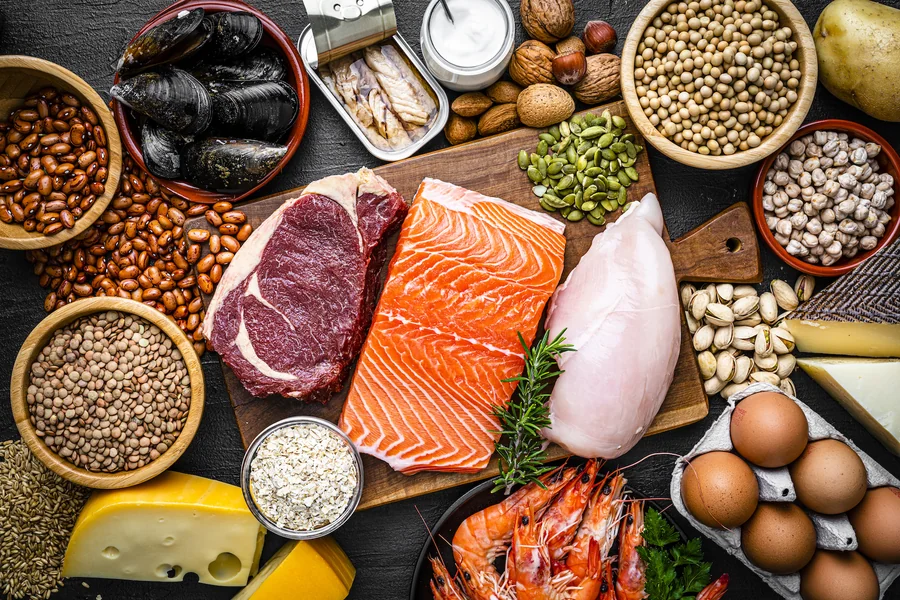
It’s a lot easier to understand nutrition if you know the basic functions of the three macronutrients. Protein, carbohydrates and fats explained simply is a guide to understanding how these nutrients are important for the body, their sources, and the importance of consuming all three in a healthy diet.
Macronutrients are nutrients that your body requires in fairly large quantities. They supply energy and are involved in the growth, repair, movement, production of hormones, and various other functions of the body throughout the day. While some diet plans center on one macronutrient and a low amount of another, all of these play a crucial function.
Knowing how protein, carbohydrates and fats fit together can help you to eat more healthily without losing the fun of eating.
What Are Macronutrients?
Macronutrients are the large components of the foods we eat that give us energy and help our bodies function.
The three macro nutrients are:
- Protein
- Carbohydrates
- Fats
There are different functions for each macronutrient. Carbohydrates are often served as energy source. Protein is involved in the construction and repair of tissues. Fats are a good source of energy and assist in the absorption of some vitamins.
A healthy eating pattern typically involves using all three to the appropriate combination.
Protein, Carbohydrates, and Fats Explained
It is beneficial to consider each macronutrient individually to gain insight into nutrition.
What Is Protein?
Amino acids make up protein. The amino acids are called building blocks as the body utilizes them to build and repair tissues.
Muscles, skin, organs, enzymes and hormones are particularly dependent on protein.
Some amino acids can be synthesized in your body. There are other amino acids, called essential amino acids, which can only be obtained from food.
Protein can come from any of the following:
- Eggs
- Fish
- Chicken
- Lean meat
- Milk and yogurt
- Beans
- Lentils
- Soy products
- Nuts and seeds
Protein plays a vital role in not just athletes. It is required by all for normal growth, maintenance of tissues, and for normal body functions.
Why Is Protein Important?
Protein has a number of critical functions in the body.
It aids in the healing of tissues following normal daily activities. It also helps build and maintain muscle.
Protein may also provide you with a feeling of fullness after a meal. Eating meals with protein can help you stick to a healthy diet.
But a diet that has high protein intake doesn’t necessarily mean it’s a healthy diet. There remains a need for overall food quality and balance.
What Are Carbohydrates?
Many of the carbohydrates you consume are converted to glucose. Glucose can then be used by your cells for energy.
Carbohydrates are found in:
- Rice
- Bread
- Pasta
- Oats
- Potatoes
- Fruits
- Vegetables
- Beans
- Milk
Carbohydrates may be considered a bad ingredient because foods like sweets, sugary beverages and refined snacks are also made of carbohydrates. But not all carbohydrates foods are the same.
Carbohydrates can be obtained from whole grains, fruits, vegetables and legumes; they are also rich in fibre, vitamins and minerals.
Simple and Complex Carbohydrates
Most carbohydrates can be classified as simple or complex.
Simple carbohydrates, which consist of smaller sugar molecules, can be broken down relatively quickly. These include table sugar and certain sweetened foods.
Complex carbohydrates are made up of longer chains of sugar molecules. They occur in foods like oats, brown rice, beans and whole grains.
Fiber can also be found in many foods that are high in carbohydrates.
It is particularly important for fiber as it assists in digestion and may help to promote a sense of fullness.
Rather than eliminating carbohydrates from the diet altogether, it is often more beneficial to make good choices when it comes to carbohydrate sources.
What Are Dietary Fats?
Fat is another macronutrient that is important.
Fats have more energy per gram than protein or carbs. This means that it is a high calorie source.
But dietary fat has a lot more to offer than just energy.
The body requires fat to aid in:
- Support cell structure
- Produce certain hormones
- Protect organs
- Maintain body temperature
- Retain vitamins A, D, E and K
Oils, nuts and seeds, avocados, fish, dairy and meat are all examples of foods that contain fat.
Understanding Different Types of Fat
Not all fats have the same nutritional characteristics.
Unsaturated Fats
Plant-based foods are typically high in unsaturated fats, along with some fish.
Sources include:
- Olive oil
- Avocados
- Almonds
- Walnuts
- Seeds
- Salmon
- Other oily fish
The unsaturated fats are part of a well balanced diet with careful intake.
Saturated Fats
Saturated fats are in foods like butter, fatty meats, cheese, cream, and some processed foods.
Do not necessarily have to have been completely eliminated from the diet, but usually consumed in moderation.
Trans Fats
Artificial trans fats have traditionally been added to certain processed and fried foods.
As trans fats can have a negative impact on heart health, many health groups advise limiting trans fats as much as possible.
Knowing what to look for on food labels can help you identify a product’s fat content.
How Macronutrients Provide Energy
Protein, Carbohydrate and Fats are all sources of energy but in different levels.
Protein provides approximately 4 calories per gram.
Carbohydrates also provide approximately 4 calories per gram.
Fat contains around 9 calories per gram.
This isn’t a condemnation of fat in general. It just relates to the fact that fat has more energy per unit volume of food.
It is, therefore, important to consider portion size when consuming foods with a high fat content.
Why Your Body Needs All Three Macronutrients
Protein, carbohydrates and fats are all parts of a balanced diet, and have different functions.
Carbohydrates are a source of short-term energy.
Protein is important for the growth and repair of tissues.
Fat provides high-energy density, assists in hormone production and vitamin absorption.
Eliminating an entire macronutrient group without medical need may make it more challenging to create a well-rounded, balanced diet.
Rather, pay attention to the type of foods that are a source for each macronutrient.
How to Build a Balanced Meal
There’s no need to count all the protein, carbs and fat to get a good diet.
A balanced meal is easy to eat and has a protein source, a carbohydrate source, vegetables, and a healthy fat source, in moderation.
For instance, the meal could consist of grilled chicken, brown rice, vegetables and a little olive oil.
Lentils, whole grain bread, salad and avocado may be another possibility.
Eggs, oats, fruit and some nuts may be included on breakfast menu.
It is possible to have a different mix according to preference, level of activity, age, lifestyle and nutritional needs.
Choose Quality Food Sources
Besides the quantity, it’s also important to consider the quality of nutrients.
For protein, opt for fish, eggs, beans, lentils, lean meat and unsweetened dairy products.
Choose more whole grains, vegetables, fruits, and legumes than highly refined foods for carbohydrates.
Add fat to foods like nuts, seeds, fish, olive oil and avocado.
However, less healthy foods can be enjoyed from time to time. Balanced eating pattern is not a single meal, but eating pattern overall.
Avoid Making One Macronutrient the Enemy
The health industry creates trends surrounding nutrition, which may classify carbs or fats as “bad.
The idea is actually the eating pattern as a whole is more important than the individual meal.
Fruit is a source of carbohydrates, but also a source of vitamins, minerals, fibre and good plant compounds.
Nuts are rich in fat but also contain protein, minerals and other nutrients.
It doesn’t always have to be eliminating entire food groups. You should also be able to select nutritious foods the majority of the time and have the right amounts.
Listen to Your Individual Needs
No single macronutrient ratio will be best for all.
A high level of exercise can require higher amounts of carbohydrates to maintain energy levels. Someone looking to build muscle can focus more on protein consumption.
Nutrient needs may also vary according to age, size, general health, pregnancy, activity level, and individual goals.
Those with medical conditions or dietary restrictions should consult a doctor or registered dietitian prior to making significant dietary changes.
Final Thoughts
Proteins, carbohydrates and fats explained simply can help to make healthy eating less confusing.
Protein provides the building blocks necessary for tissue repair, the maintenance of muscles and a growth factor. Fats contribute to energy storage, vitamin absorption, cell health and production of hormones, while carbohydrates are an important source of energy.
Don’t eliminate one macronutrient, but instead, choose a balanced diet of healthy foods.
A flexible eating pattern that promotes health and well-being every day can be developed by selecting whole grains, vegetables, fruits, lean or plant-based proteins, nuts, seeds and healthy fats.

James is the creative mind behind worthelevate.com, with 4 years of experience writing hilarious puns, including food puns and animal puns. His witty articles add humor to everyday topics, making him a go-to for those seeking a fun twist on their favorite meals and animals.








2 thoughts on “Protein, Carbohydrates, and Fats Explained”