A Guide to Men’s Outerwear: How to Layer Your Outfits in Style
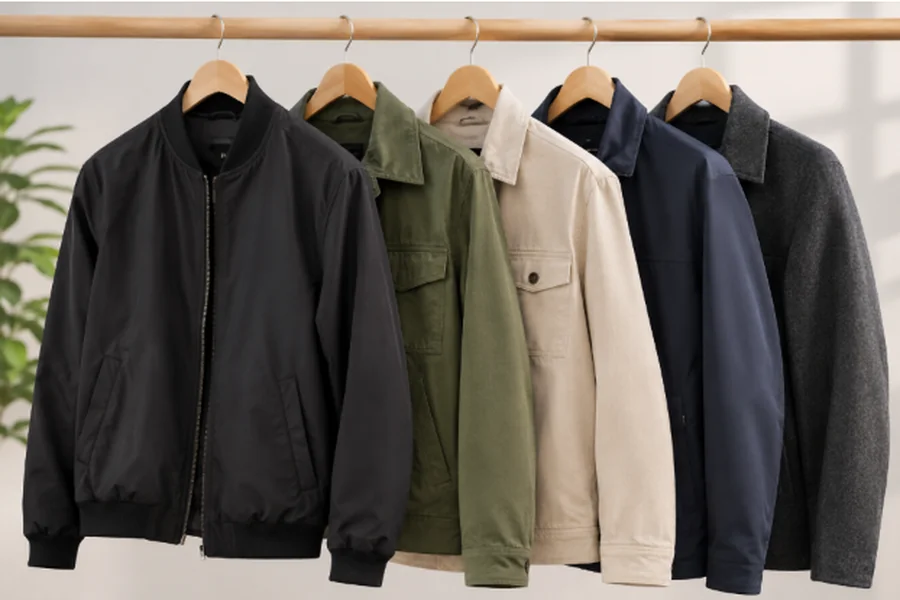
The right outerwear can transform a simple outfit. A well-chosen jacket adds structure, brings different pieces together, and helps you adapt your look to changing weather. But styling men’s outerwear is about more than choosing a design you like. The fit, fabric, color, and layers underneath all play a part.
Whether you’re putting together a casual weekend outfit or a smart-casual look for an evening out, understanding how to layer your clothes makes getting dressed easier. Here’s how to choose the right outerwear and create combinations that look balanced without feeling bulky.
Understanding the Basics of Layering
Good layering starts with a simple idea: each piece should have a purpose. Rather than wearing several heavy garments, combine lighter items that work together. Choosing the right jacket for men also makes a difference, as it should complement your other layers without restricting movement.
The three-layer approach is a useful starting point:
- Base layer: This is the piece closest to your skin. A basic T-shirt, Henley shirt, or lightweight shirt creates a comfortable foundation.
- Middle layer: This adds warmth and texture. Consider a sweatshirt, cardigan, or knitted sweater.
- Outer layer: This completes the outfit and offers extra protection from the weather. Depending on the occasion, it could be a bomber jacket, denim jacket, or coat.
You don’t always need all three layers. A T-shirt under a lightweight jacket is often enough for mild weather, while colder days may call for a sweater underneath your outerwear.
The key is to layer from the thinnest fabric to the thickest. This keeps the outfit comfortable and makes it easier to move throughout the day.
Types of Men’s Outerwear to Add to Your Wardrobe
Different jacket styles serve different purposes. Some men’s jackets are ideal for everyday outfits, while others work better for colder weather or more polished occasions. Knowing what each style offers can help you build a versatile wardrobe.
1. Denim Jackets
A denim jacket is a dependable choice for casual styling. Its structured shape adds definition to simple outfits, and it pairs easily with everyday wardrobe staples.
For an effortless look, wear a blue denim jacket over a white T-shirt with black jeans and trainers. You can also layer it over a lightweight hoodie when the weather gets cooler.
If you prefer a more understated outfit, choose dark denim and combine it with neutral colors. This creates a cleaner look without taking away from the jacket’s casual appeal.
2. Bomber Jackets
Bomber jackets bring a sporty feel to everyday outfits. Their shorter length, zip fastening, and defined shape make them easy to style with different pieces.
For a relaxed combination, wear a bomber over a crew-neck T-shirt with jeans and trainers. To create a smarter casual outfit, swap the T-shirt for a polo shirt and pair the jacket with tailored trousers.
Neutral shades such as black, navy, and olive are particularly versatile. They work with a wide range of colors and make the jacket easy to wear throughout the season.
3. Puffer Jackets
Puffer jackets are designed to provide insulation in colder weather. Their padded construction adds warmth, making them a practical option for winter outings and outdoor activities.
Because puffers already have a voluminous shape, keep the rest of your outfit relatively streamlined. Wear one over a fitted sweatshirt or lightweight knit, then add straight-leg jeans and boots or trainers.
A black or neutral puffer is easy to coordinate with everyday outfits. If you want something more noticeable, choose a color that complements the rest of your wardrobe.
3. Overshirts
An overshirt sits between a casual shirt and a lightweight jacket. It’s a useful option for transitional weather, especially when you want an extra layer without wearing a heavy coat.
Style an overshirt over a plain T-shirt with chinos or jeans. You can leave it open for a relaxed look or button it up for a more structured outfit.
For a balanced combination, choose an overshirt in a neutral shade such as beige, brown, or olive. These colors work particularly well with white, black, and navy basics.
4. Lightweight Jackets
Lightweight jackets are practical for days when a T-shirt alone isn’t enough but a heavy coat feels unnecessary. They’re easy to wear during transitional seasons and can complement both casual and smart-casual outfits.
Try a lightweight jacket over a polo shirt with chinos and loafers for a polished everyday combination. For a more relaxed look, wear it with a basic T-shirt, jeans, and trainers.
Choose a design that fits comfortably over your usual layers. A jacket that’s too tight can restrict movement and make the outfit look cramped.
How to Layer Men’s Outfits for Different Occasions
Once you understand the different outerwear styles, the next step is choosing combinations that suit your plans. A few simple adjustments can take the same wardrobe staples from a relaxed daytime outfit to a more polished evening look.
Casual Everyday Outfits
For everyday wear, focus on comfort and easy combinations. Start with a plain T-shirt, add a denim jacket or overshirt, and finish with jeans and trainers.
You can also wear a bomber jacket over a lightweight sweatshirt for a relaxed weekend outfit. Keep the colors simple so the different layers complement each other rather than compete for attention.
Smart-Casual Looks
A smart-casual outfit calls for cleaner lines and more structured pieces. Start with a polo shirt or button-down shirt, then add a lightweight jacket or a refined overshirt.
Pair these layers with tailored trousers and loafers for a polished finish. Neutral colors such as navy, beige, grey, and white help create a coordinated look that works for dinners, casual meetings, and social occasions.
Cold-Weather Outfits
When temperatures drop, combine a comfortable base layer with a warm middle layer and an insulating jacket. A long-sleeve T-shirt under a knitted sweater, finished with a puffer jacket or winter coat, is a practical combination.
Choose pieces that allow enough room for movement. You can also add accessories such as a scarf or beanie to complete the outfit without relying on extra bulky layers.
Weekend and Travel Outfits
For travel and relaxed weekends, choose outerwear that’s easy to put on, take off, and combine with different outfits. A bomber jacket or lightweight zip-up jacket works well with a T-shirt, sweatshirt, and comfortable trousers.
Stick to versatile pieces that can be worn in more than one combination. This makes packing easier and gives you more outfit options without taking too many clothes.
Tips for Layering Without Adding Bulk
Layering should make your outfit more interesting, not make it uncomfortable. Keep these points in mind when combining different pieces:
- Start with lightweight fabrics: Choose breathable T-shirts and shirts for your base layer. Save thicker fabrics for the outer layers.
- Get the fit right: Your jacket should leave enough room for a sweater or sweatshirt underneath without pulling across the shoulders or chest.
- Keep colors coordinated: Build your outfit around two or three complementary colors. Neutral shades make mixing and matching easier.
- Combine different textures: Pairing denim with knitwear or cotton with a textured overshirt adds depth without requiring bold patterns.
- Avoid too many oversized pieces: If your jacket has a relaxed fit, choose more streamlined layers underneath to maintain balanced proportions.
- Make every layer work on its own: Choose pieces that still look good when you remove your jacket or sweater.
Before heading out, try the full outfit together. Zip or button your jacket and move your arms to check that everything feels comfortable.
How to Choose the Right Jacket for Men
Choosing the right jacket starts with how you plan to wear it. Before adding a new piece to your wardrobe, consider a few practical details:
Think about the weather: A lightweight jacket is suitable for mild days, while a puffer or insulated coat offers more warmth in colder conditions.
Consider your everyday style: If you usually wear jeans and T-shirts, a denim or bomber jacket may be a natural fit. If you prefer tailored trousers and shirts, look for more structured designs.
Choose versatile colors: Black, navy, beige, grey, and olive are easy to coordinate with other wardrobe staples.
Check the fit: Pay attention to the shoulders, sleeves, and overall length. Make sure the jacket accommodates the layers you intend to wear underneath.
Look for practical details: Pockets, adjustable cuffs, and comfortable fastenings can make a difference in everyday use.
Final Thoughts
Building stylish layered outfits doesn’t mean wearing more clothes. It means choosing pieces that complement each other in fit, color, and texture. From denim and bomber jackets to puffers and overshirts, the right outerwear can make your wardrobe more versatile and help you create different looks for different occasions.
Start with a few reliable styles, experiment with simple combinations, and choose jackets that suit your personal style and daily routine.

James is the creative mind behind worthelevate.com, with 4 years of experience writing hilarious puns, including food puns and animal puns. His witty articles add humor to everyday topics, making him a go-to for those seeking a fun twist on their favorite meals and animals.


Comments